Wondering what daily life in Kirkwood really feels like once the moving boxes are gone? For many buyers, that question matters just as much as square footage or bedroom count. If you are considering a move to this St. Louis suburb, it helps to understand how people actually spend their weekdays, weekends, and in-between moments here. Let’s take a closer look at what everyday life is like in Kirkwood.
A historic suburb with daily convenience
Kirkwood has a distinct identity that blends history with practicality. According to the City of Kirkwood, it was established in 1853 and is known as the first planned residential commuter suburb west of the Mississippi.
That history is still visible today, especially around the train station and older residential streets. At the same time, Kirkwood functions as a full-service municipality with its own sanitation, water, and electric utilities, which shapes the day-to-day experience in ways many residents appreciate.
Downtown Kirkwood anchors the routine
For many people, downtown is where everyday life comes together. Downtown Kirkwood spans 16 walkable blocks and includes more than 100 specialty shops and restaurants, making it a practical place for errands, coffee stops, meals, and weekend browsing.
What stands out is how usable it is. You are not looking at a district that feels designed only for special occasions. It works well for normal life, whether you are picking up a few things, meeting someone for lunch, or spending a Saturday morning moving from one stop to the next.
Parking is easier than many buyers expect
One of Kirkwood’s practical advantages is that downtown access tends to be straightforward. The district offers free parking in public lots and on most streets, along with accessible parking spaces and a dedicated Amtrak station lot.
That may sound like a small detail, but it can make a big difference in your routine. Easy parking supports the kind of frequent, low-stress visits that turn a downtown district into a real extension of home life.
The train station is part of real life
Kirkwood’s train station is more than a postcard landmark. The city notes that the Historic Kirkwood Train Station continues to serve Amtrak train and bus passengers and is the third busiest station in Missouri.
That gives the area a sense of movement and connection that is unusual for a suburb. The station also functions as a trailhead for cyclists using the Katy and future Rock Island trails, which adds another layer to how residents can use the area day to day.
Parks shape the weekly rhythm
In Kirkwood, parks are not just background scenery. The city reports that it has more than 300 acres of park land, with spaces that include walking paths, trails, fishing areas, athletic fields, picnic spots, playgrounds, a community garden, and a spray fountain.
That matters because it gives you options for regular routines. A quick walk after work, a Saturday at the playground, or time outdoors with friends can feel easy to fit into your week.
Kirkwood Park is a major gathering place
Kirkwood Park is one of the clearest examples of how recreation supports everyday life here. The city highlights this park as a central amenity hub with an aquatic center, amphitheater, community center, ice rink, pickleball, tennis, and walking paths on its city overview page.
For buyers thinking about lifestyle, that concentration of amenities is important. It creates a place where recreation, events, and casual meetups can all happen in one setting.
Events are built into the calendar
Some communities feel active only a few times a year. Kirkwood appears to offer a more regular rhythm. The city’s arts and music page highlights free summer concerts in Kirkwood Park and Station Plaza, live music at the farmers market, and downtown events that bring people back into shared public spaces.
That can make daily life feel more connected and less repetitive. Even if you do not attend every event, having those options nearby helps create a stronger sense of place.
The farmers market is part of the weekend routine
The downtown farmers market has long been part of Kirkwood’s local pattern. The city notes that the market was founded in 1976 and operates every Saturday morning through the Downtown Kirkwood district.
For many households, that becomes an easy weekend ritual. It is the kind of steady, recurring activity that often tells you more about a community than one-time attractions ever could.
Annual festivals add another layer
Kirkwood also has a lineup of recurring community events. The city lists Route 66 Cars and Guitars, the Kirkwood Freedom Festival & Fireworks, Greentree Festival, and Halloween and Holiday Walks among its annual festivals.
These events help reinforce the local rhythm of the year. They also give residents repeated reasons to spend time in parks and downtown spaces, which supports the community feel many buyers are looking for.
Homes have character, not one-note repetition
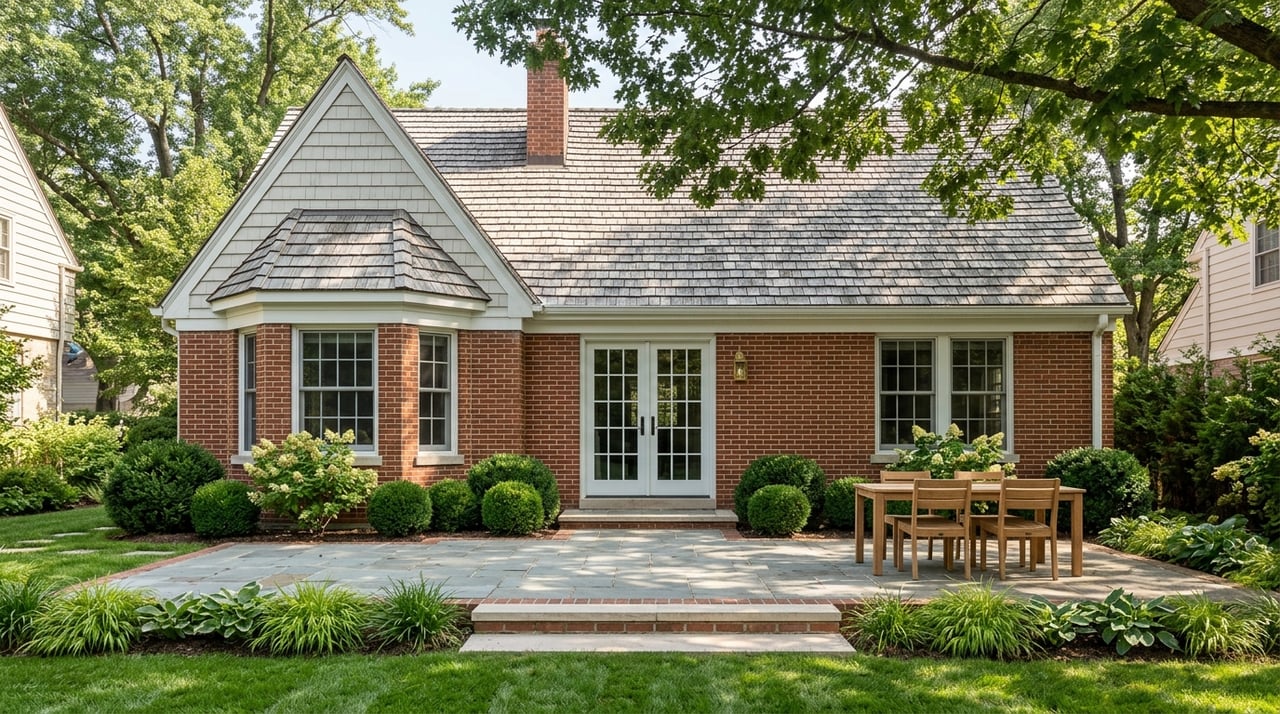
One of the most noticeable things about Kirkwood is the variety in its housing stock. Official city preservation materials point to a wide mix of home styles, including bungalows, Craftsman homes, Cape Cod Revivals, American Foursquares, Tudor Revivals, Colonial Revival homes, Prairie homes, Victorian styles, ranches, and mid-century modern homes.
That variety shapes the visual feel of everyday life. Instead of block after block of similar new construction, you see streetscapes where modest cottages, older family homes, and larger historic houses can exist side by side.
Preservation influences the streetscape
Kirkwood’s character is closely tied to preservation. The city says there are 85 designated landmarks, nine local historic districts, and multiple properties and districts on the National Register of Historic Places.
For you as a buyer, that often means the built environment has stronger continuity. In some areas, demolition and new construction may require Landmarks Commission review, which reflects the city’s effort to manage change while preserving historic character.
What the architecture feels like in person
The city’s architectural guidelines help explain why Kirkwood feels visually layered. You may notice one-and-a-half-story bungalows with deep porches, tidy Cape Cods, boxy Foursquares, steep-roof Tudor-style homes, and larger historic houses with more ornate details.
That mix can be appealing if you value homes with established character and streets with visual variety. It also means your home search may involve comparing very different layouts, styles, and eras within the same general area.
Everyday amenities go beyond shopping and dining
Kirkwood’s daily-use amenities extend beyond downtown storefronts. The Kirkwood Public Library is located downtown and has served residents for more than 95 years, making it part of the regular civic landscape rather than a peripheral amenity.
The city’s recreation system also includes a community center, ice arena, aquatic center, racquet center, and performing arts center. For many buyers, that range of amenities supports a lifestyle with more built-in options close to home.
What this means if you are considering a move
If you are evaluating Kirkwood, the appeal is not just that it is attractive or well-known. It is that the city appears set up for daily life in a way that feels usable, connected, and distinctive.
You have a walkable downtown, practical parking, active parks, recurring events, an active train station, and housing with a wide range of architectural styles. Together, those elements create a community where the lifestyle story is easy to picture before you ever make an offer.
If you are exploring Kirkwood or comparing it with other St. Louis neighborhoods, the Andel-White & McDonald Group can help you evaluate home options, neighborhood fit, and next steps with the local insight you need to List Well. Buy Smart.
FAQs
What is everyday shopping and dining like in Kirkwood?
- Downtown Kirkwood is a major daily-use hub with 16 walkable blocks and more than 100 specialty shops and restaurants, making it convenient for errands, meals, and casual outings.
What is parking like in Downtown Kirkwood?
- Downtown Kirkwood offers free parking in more than a dozen city-maintained lots, free meter-less parking on most streets, accessible spaces, and a dedicated Amtrak station lot.
What is recreation like for residents in Kirkwood?
- Kirkwood has more than 300 acres of park land, and the parks and recreation system includes walking paths, playgrounds, sports amenities, an aquatic center, ice rink, community center, and more.
What kinds of homes are common in Kirkwood?
- Kirkwood has a varied housing stock that includes bungalows, Craftsman homes, Cape Cod Revivals, American Foursquares, Tudor Revivals, Colonial Revival homes, ranches, and mid-century modern homes.
What makes Kirkwood feel different from other suburbs?
- Kirkwood stands out for its historic identity, active and walkable downtown, working train station, strong park system, recurring local events, and preservation-minded residential character.