Trying to choose between University City, Clayton, and the Central West End? You’re not alone. Each spot offers a different mix of housing, price points, walkability, and commute options, and the right match depends on how you live day to day. In this guide, you’ll get a clear, side‑by‑side view of the three so you can focus your search with confidence. Let’s dive in.
Where each area sits
You’ll find University City in St. Louis County with its own city government and a compact blend of residential blocks and the Delmar Loop entertainment corridor. The Loop’s restaurants, music venues, and galleries give the area a lively spine that many buyers enjoy. For context on its formation and character, see the city’s official history overview from University City.
Clayton is also an independent city in St. Louis County and serves as the county seat. Its downtown is a small-city commercial and office core surrounded by established pre‑war neighborhoods. Think boutique dining and services alongside a major regional employment center. Read a concise background on Clayton.
The Central West End sits inside the City of St. Louis, just east and southeast of University City. It is anchored by the Washington University Medical Center and Barnes‑Jewish, with Forest Park at its doorstep. For a planning and context view of how CWE connects the central corridor’s jobs and culture, explore this Central corridor planning reference.
Typical off‑peak drive times between these areas often land in the 10 to 20 minute range. University City to downtown Clayton is a short hop, while University City to the Central West End or Downtown St. Louis is commonly within that same window. Always check map apps for peak hours on your exact route.
Housing stock at a glance
University City
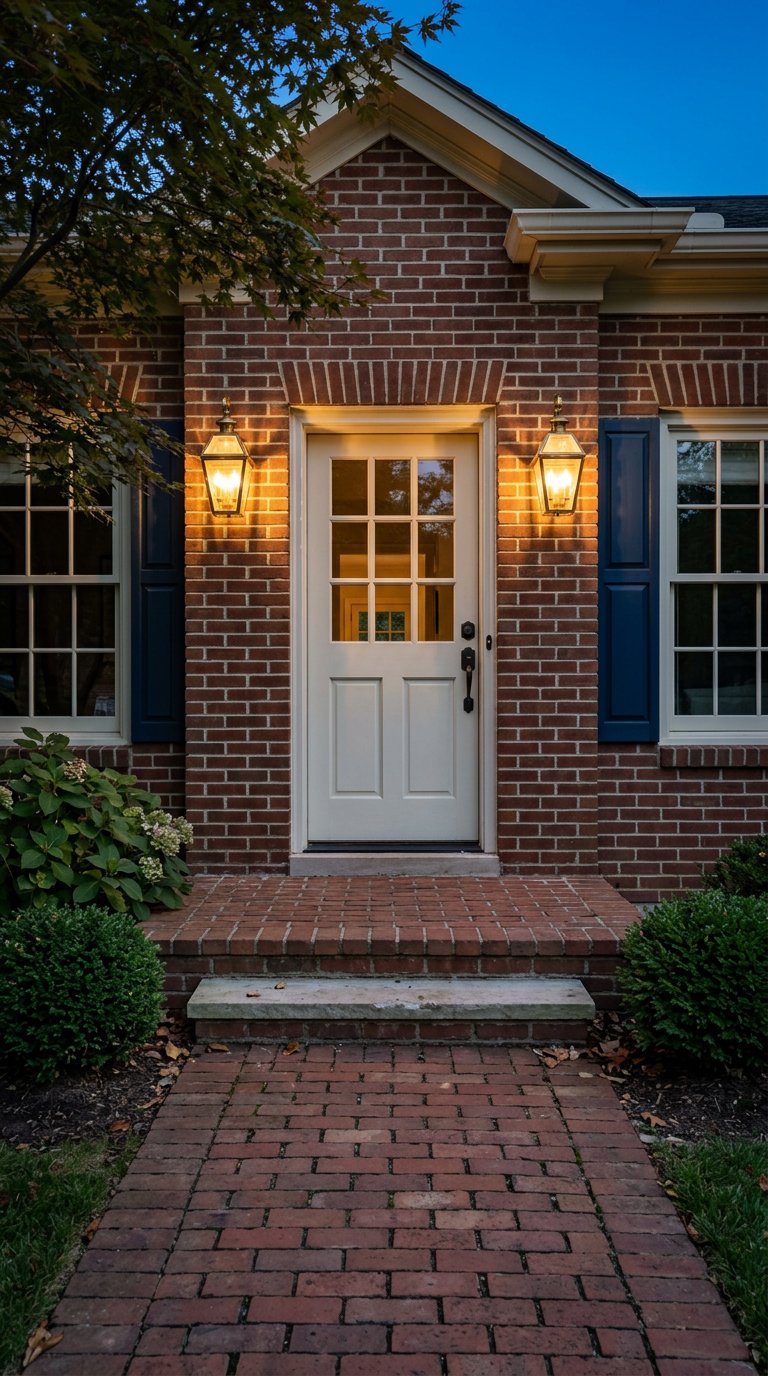
You’ll see early to mid‑20th‑century homes in a range of styles, from brick bungalows to Tudor Revival and classic Colonials. Near the Loop, smaller brick rowhouses and garden‑apartment buildings add options for lower entry points. Several local historic districts support preservation, and you’ll also notice scattered infill and condo conversions that broaden the mix.
Clayton
Downtown Clayton offers mid‑ and high‑rise condo living steps from dining and services. Just beyond the core, established pre‑war neighborhoods feature substantial brick single‑family homes on tree‑lined streets. The combination of limited inventory and strong demand from corporate offices helps sustain higher price points.
Central West End
CWE is a dense, urban neighborhood with late‑19th and early‑20th century mansions, rowhouses, large apartment buildings, and luxury or modern condo conversions. A significant share of homes are rental-friendly, which aligns with steady demand from medical and university professionals.
What homes cost now
To keep pricing consistent across neighborhoods, the sale medians below reference the same provider and month. For early 2026 snapshots, Redfin reported:
- University City median sale price: about $351,000 (Feb 2026).
- Clayton median sale price: about $719,950 (Feb 2026).
- Central West End median sale price: about $322,500 (Feb 2026).
For rentals, Realtor.com’s early 2026 snapshot showed higher rents in the Central West End compared with University City, with recent examples around $2,495 per month for CWE and $1,625 per month for University City (Jan 2026). Rents vary by building age, amenities, and exact block.
What this means for you:
- If you want a single‑family home near restaurants without Clayton’s price premium, University City offers a wide spread of options and character homes.
- If you prioritize boutique condo living or larger, upscale single‑family homes near a business core, Clayton commands higher prices and delivers that small-city feel.
- If your budget favors condos or you want a dense, walkable urban setting near the medical campus, CWE delivers strong condo selection and lively streets.
Walkability and transit
Everyday walkability
Walkability shifts block by block, so focus on specific addresses rather than averages. As a broad guide, University City skews Somewhat Walkable near the Loop and station areas, while interior residential streets often require a car for daily errands. The Central West End averages higher on walkability, reflecting a dense, mixed‑use urban fabric that supports an errands‑on‑foot lifestyle. Clayton’s downtown blocks can feel very walkable, though citywide scores are more mixed outside the core. You can check block‑level indicators using tools like Walk Score.
MetroLink and bus access
All three areas connect to Metro’s transit spine. University City is served by Delmar Loop and University City–Big Bend area stations, CWE by the Central West End station, and Clayton by the Blue Line’s Clayton station. For station specifics and schedules near Clayton’s core, see the Clayton MetroLink Station. These stops make car‑free commutes realistic for some roles, especially to the medical campus, Cortex, and other central‑corridor jobs.
Commute patterns
- Central West End: Short distances to major employment hubs and strong transit connections help reduce commute times for many residents.
- Clayton: Many residents work locally in the central business district. The Blue Line also links to other corridor destinations.
- University City: The Loop and blocks near MetroLink are the most walkable, while many interior streets lean car‑dependent. Off‑peak drives to the CWE or downtown are often 10 to 20 minutes, but check peak-hour patterns for your route.
Lifestyle and amenities
University City
You get a lively dining and entertainment scene along the Delmar Loop, including music venues like Blueberry Hill and The Pageant, plus galleries and local shops. The city’s materials highlight this arts‑and‑entertainment identity that blends with established residential streets; see the civic overview of the Delmar Loop corridor context for flavor.
Central West End
CWE offers a classic urban lifestyle with historic architecture, pedestrian‑friendly retail, and quick access to Forest Park and cultural institutions. Proximity to the medical and academic centers makes it a strong fit if you value short commutes and an active street scene. For corridor context, scan this central‑corridor planning reference.
Clayton
Clayton’s compact downtown brings boutique retail, restaurants, and professional services into a polished core. Surrounding residential pockets offer pre‑war charm and larger homes. As the county seat and a key employment base, Clayton blends convenience with a higher price point relative to nearby options.
Market pulse and development signals
Development activity helps explain pricing and longer‑term potential. Recent years have brought new high‑rises, luxury condos, and office projects in Clayton’s downtown, which support its premium pricing and limited inventory. The Delmar Loop continues to see retail and hospitality investment, with periodic streetscape and transit updates that reinforce its role as University City’s anchor corridor. In the Central West End, steady demand from medical and university institutions supports both preservation and infill, including condo activity.
If you like to track what’s next, city planning agendas are a practical window into near‑term changes. You can review recent items in University City’s plan commission materials, such as this planning packet example. For broader background on Clayton’s growth patterns, the Clayton overview provides historical context on its role as an employment center.
Which neighborhood fits your goals
- You want a character-filled single‑family home near restaurants at a mid‑market price: Start with University City, especially blocks close to the Loop.
- You want a dense urban experience and a short hop to the medical campus: Focus on the Central West End, where condo options and walkability are strongest.
- You want a small‑city downtown feel, premium condo or elegant single‑family options, and top convenience to business services: Clayton will be your benchmark, knowing you’ll pay a premium relative to nearby choices.
How to choose, step by step
- Set your price band and housing type.
- Use the early 2026 medians above as a compass. If you need larger single‑family space below Clayton pricing, University City often stretches your dollars. If you want condo luxury with a business‑district address, Clayton is your north star. If walkable, urban condo living is the priority, CWE is a natural fit.
- Map your commute and transit options.
- During peak hours, test your routes to the office, campus, or favorite spots. If a car‑free commute matters, shortlist homes within an easy walk of the Delmar Loop, Central West End, or Clayton MetroLink stations. Check the Clayton station page for Blue Line timing, then match against your schedule.
- Validate block‑level walkability.
- Numbers vary widely by block. Use a block‑specific tool like Walk Score and confirm on foot, especially for grocery, pharmacy, coffee, and transit stops.
- Scan for development signals.
- New projects can change traffic patterns, retail options, and values. Skim recent planning agendas and neighborhood news to spot what’s coming next, especially in downtown Clayton and along the Loop.
- Check property‑specific risk and costs.
- If a home has a basement or sits near a watercourse, discuss flood risk with your agent, consult local floodplain maps, and get insurance quotes early. Also budget for typical ownership costs based on the home’s age, systems, and any historic-district guidelines.
When you want tailored guidance block by block, a data‑forward, local agent can help you weigh tradeoffs in real time and negotiate with confidence.
Ready to compare live listings, walk times, and price scenarios across these neighborhoods? Reach out to the Andel-White & McDonald Group to List Well. Buy Smart.
FAQs
What are 2026 median sale prices in each area?
- Early 2026 neighborhood medians: University City about $351,000, Clayton about $719,950, and Central West End about $322,500, based on Redfin’s February 2026 snapshots.
How do early 2026 rents compare between CWE and University City?
- Realtor.com’s January 2026 view showed higher median rents in the Central West End (around $2,495 per month) versus University City (around $1,625 per month), with wide variation by building.
Which neighborhood is most walkable for daily errands?
- The Central West End generally leads on walkability thanks to its dense urban fabric; University City’s Loop area and downtown Clayton blocks are walkable, while many interior streets in both cities are more car‑oriented.
How is transit access different among the three?
- All three connect to Metro’s core: University City to Delmar Loop and University City–Big Bend, CWE to the Central West End station, and Clayton to the Blue Line’s Clayton station, which supports car‑light commutes for some buyers.
What kinds of homes are most common in each area?
- University City offers early‑to‑mid‑century single‑family homes plus small multifamily and condos; Clayton mixes mid‑/high‑rise condos with substantial pre‑war single‑family; CWE features historic mansions, rowhouses, large apartments, and many condos.
Are there development trends that might affect values?
- Clayton’s downtown has seen new high‑rises and mixed‑use projects, the Delmar Loop continues retail and streetscape improvements, and CWE sustains preservation and infill driven by medical and university demand.