Are you getting ready to sell a home you have loved for years in Sunset Hills? That kind of move can feel both practical and deeply personal, especially when your house holds decades of updates, routines, and memories. The good news is that you do not need to erase your home’s story to make it market-ready. You just need a clear plan that helps buyers see its value, condition, and character. Let’s dive in.
Why longtime Sunset Hills homes stand out
Sunset Hills is an established St. Louis County suburb with a strong owner-occupant profile. Census QuickFacts show 82.9% of housing units are owner-occupied, and 29.2% of residents are age 65 or older. The city was incorporated in 1957, which adds to the sense of history and long-term ownership that many homes in the area reflect.
That local context matters when you sell. A longtime home in Sunset Hills often offers mature landscaping, established maintenance patterns, and a lived-in sense of care that many buyers appreciate. It also means your preparation strategy should focus less on chasing every new trend and more on presenting the home as clean, well-kept, and ready for its next chapter.
Sunset Hills also remains a higher-value market. Census QuickFacts list the median value of owner-occupied housing units at $523,800, and Zillow’s current estimate places the average Sunset Hills home value at $622,914, up 4.7% year over year, with 23 homes for sale as of May 31, 2026. In a market like that, disciplined presentation can make a meaningful difference.
Start with visible improvements
If you have lived in your home for many years, it is easy to assume you need a major renovation before listing. In most cases, the better first move is to focus on the changes buyers notice right away. According to the 2025 NAR staging survey, the most common recommendations from agents were decluttering, cleaning the entire home, and improving curb appeal.
That is encouraging for longtime sellers. You may not need a broad remodeling campaign to compete well. Instead, you can create a strong first impression by removing distractions, refreshing surfaces, and making the home feel open, bright, and cared for.
Prioritize these first steps
- Declutter each room so buyers can focus on space and layout
- Deep clean the entire home, including windows, floors, trim, and baths
- Improve curb appeal with trimmed landscaping, tidy beds, and a clean entry
- Touch up obvious wear such as scuffed paint, loose hardware, or worn caulk
- Reduce extra furniture if rooms feel crowded or dated
These steps sound simple, but they are often the highest-impact moves. They also support everything that comes next, including staging, photography, and showings.
Stage the rooms that matter most
If your budget or energy is limited, you do not have to stage every room equally. NAR found that buyers’ agents identified the living room, primary bedroom, and kitchen as the most important rooms to stage. That makes sense because those spaces shape how buyers imagine daily life in the home.
For a longtime home, staging is not about making the house look generic. It is about helping buyers understand scale, flow, and function. In many cases, a lighter touch works best.
Focus your staging here
Living room
The living room is often where buyers form their first impression of the interior. Remove extra pieces, open up walking paths, and keep décor simple. If the room has beautiful windows, built-ins, or a fireplace, make those features the center of attention.
Primary bedroom
A calm, uncluttered primary bedroom helps the home feel restful and spacious. Clear off dressers and nightstands, simplify bedding, and reduce personal items. If the room is tight on furniture placement, a smaller arrangement may photograph and show better.
Kitchen
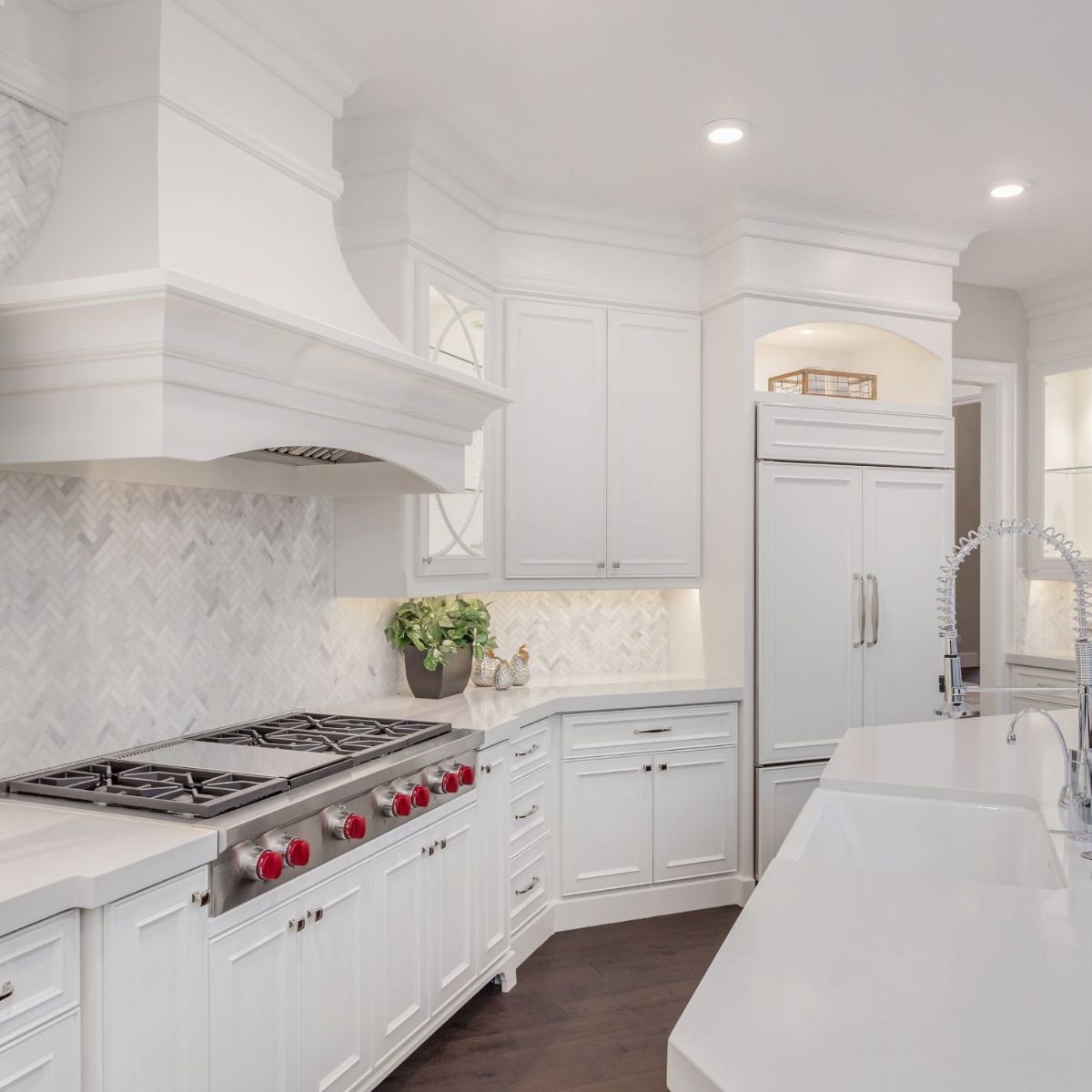
Kitchens do not always need a full update to make a strong impression. What matters most is cleanliness, counter space, lighting, and order. Clear counters, organize visible storage areas, and highlight any timeless details or practical upgrades the kitchen already offers.
Connect staging and photography
Presentation is not just about what buyers see in person. It starts online. The same NAR report found that 83% of buyers’ agents said staging made it easier for buyers to visualize a home as a future home, and buyers’ agents rated photos, physical staging, videos, and virtual tours as important to clients.
That means decluttering, staging, and photography should work as one coordinated process. If a room is cleaned but not arranged well, photos may fall flat. If a room is staged but still crowded with personal items, buyers may struggle to picture themselves there.
NAR also found that 48% of agents said buyers expect homes to look like they were staged on TV, and 58% said buyers are disappointed when a home looks less polished than expected. In other words, the gap between online marketing and the in-person experience can hurt momentum.
What a coordinated prep plan looks like
- Declutter first
- Clean thoroughly
- Make targeted staging decisions
- Prep key rooms for photography
- Complete a final showing-ready pass before media day
This is where a strong listing team adds real value. Instead of treating prep as a series of disconnected chores, the process becomes a managed presentation strategy.
Decide whether repairs or inspection make sense
Longtime sellers often ask whether they should inspect the home before listing. Under Missouri law, no political subdivision may require a home inspection before the sale of a residential property, except in limited cases such as new construction or occupancy-permit requirements. So the answer is no, you do not have to get a pre-listing inspection just to sell.
That said, an optional pre-listing inspection can still be useful. It may uncover issues while you still control the timing, budget, and scope of repairs, rather than during a buyer’s inspection period. For homes with years of ownership, that extra planning time can reduce surprises.
You also do not need to fix everything. A smart strategy is to address clear maintenance issues, safety-related concerns, or visible defects that may distract buyers. Large discretionary projects may not offer the same return as cleaning, decluttering, and focused repairs.
Confirm occupancy steps early
One practical detail that longtime sellers should not leave until the last minute is the local occupancy process. St. Louis County occupancy forms show that a separate occupancy-permit process can require an application, an inspection, correction of deficiencies, and no occupancy until the permit is issued. County training materials specifically reference municipalities such as Sunset Hills when explaining the residential occupancy permit workflow.
The key takeaway is simple: confirm early which office handles any occupancy-related step for your sale. That gives you time to understand what is required and avoid timeline issues close to closing. Even well-prepared sellers can be delayed if this part of the process is discovered too late.
Gather disclosures and property records
For a longtime home, documentation matters almost as much as appearance. Buyers feel more confident when the home is presented with clear information about known conditions, prior updates, and required disclosures. That is especially important if your ownership spans many years.
If your home was built before 1978, federal law requires most sellers to disclose known lead-based paint and lead-based paint hazards, provide available records and reports, include the EPA pamphlet, and give buyers a 10-day inspection or risk-assessment window. Missouri DHSS also notes that homes built before 1978 may contain lead-based paint.
Radon is another issue that often comes up in resale transactions. Missouri DHSS says buyers and sellers often test for radon during real estate transactions, that 4 pCi/L is the common action level, and that Missouri has no law requiring seller testing or mitigation. DHSS also notes that radon professionals should be used for testing tied to a legal transaction.
Missouri also requires written disclosure of known hazardous or radioactive contamination and known methamphetamine production or related convictions tied to the property. If you have records for major repairs, system replacements, prior testing, or mitigation work, organize them early so the listing process goes more smoothly.
Helpful documents to gather
- Utility and system service records
- Roof, HVAC, or appliance replacement information
- Prior radon test or mitigation records, if any
- Lead-related records or reports for pre-1978 homes, if any
- Warranties that may transfer
- Occupancy-related paperwork, if applicable
Build a prep budget around impact
Selling a longtime home does not mean spending without a plan. NAR reported that for staged homes, 29% of agents saw a 1% to 10% increase in value offered, and 49% observed faster sales. The same report found that many sellers’ agents recommended decluttering or correcting property faults rather than fully staging every listing.
The survey also noted a median cost of $1,500 for a professional staging service, compared with $500 when the seller’s agent handled staging. That supports a practical budget approach. Spend first on the improvements buyers notice immediately, then add staging where it will have the most impact.
A smart order for spending
- Cleaning
- Decluttering and furniture editing
- Paint touch-ups and visible minor repairs
- Curb appeal improvements
- Staging in top-priority rooms
- Professional photography and media prep
This kind of sequence helps you avoid over-improving while still presenting the home at a high level.
Honor the home’s history without letting it feel dated
One of the biggest challenges in selling a longtime home is emotional. You may see years of care, gatherings, and investment. Buyers, however, need to see a home that feels easy to step into.
That does not mean stripping away every sign of personality. It means editing the home so its best features come forward. Mature landscaping, solid room sizes, thoughtful updates, and evidence of careful ownership can all become part of the story when they are presented clearly.
In Sunset Hills, that balance matters. Many buyers will understand the appeal of an established home in an established setting. Your goal is to make that appeal visible from the first photo to the final showing.
If you are preparing to sell a longtime home in Sunset Hills, thoughtful planning can make the process feel much more manageable. The right guidance can help you decide what to fix, what to leave alone, how to prepare for photography, and how to navigate the local steps that affect timing. When you are ready for a polished, strategic plan, connect with Andel-White & McDonald Group to List Well. Buy Smart.
FAQs
What should longtime Sunset Hills sellers do first before listing?
- Start with decluttering, deep cleaning, and curb appeal improvements, since those are the most commonly recommended seller-prep steps in the 2025 NAR staging survey.
Do Sunset Hills sellers need to renovate the whole house before listing?
- Usually not. The research supports focusing on visible, buyer-facing improvements and key rooms rather than a broad remodeling campaign.
Which rooms matter most when staging a longtime Sunset Hills home?
- The living room, primary bedroom, and kitchen are the top rooms to prioritize based on the 2025 NAR staging survey.
Do Missouri sellers need a pre-listing inspection before selling a Sunset Hills home?
- No. Missouri law does not allow local governments to require a home inspection before the sale of a residential property, though a pre-listing inspection can still be a useful planning tool.
What disclosures matter when selling a longtime home in Missouri?
- Depending on the property, sellers may need to address lead-based paint requirements for pre-1978 homes and disclose known radon history, hazardous or radioactive contamination, and known methamphetamine-related history tied to the property.
Why should Sunset Hills sellers ask about occupancy permits early?
- Because occupancy-related steps in St. Louis County can involve an application, inspection, correction of deficiencies, and permit issuance, which can affect your closing timeline if handled late.