If you are searching for a newer home in Brentwood, you are not looking in a place with endless empty lots and brand-new subdivisions. You are looking in a built-out inner-ring suburb where most change happens one property at a time. That can make the options more interesting, but it also means you need to understand how infill works, what buyers can realistically expect, and where the value really sits. Let’s dive in.
Why Brentwood Is An Infill Market
Brentwood is a small, landlocked community of about two square miles with roughly 8,200 residents. Its location near downtown St. Louis and access to I-64, I-170, and I-44 make it highly convenient, but the city is also essentially fully developed.
That matters because most residential change in Brentwood does not come from large-scale new neighborhoods. Instead, it tends to happen through renovation, teardown-and-rebuild projects, and smaller infill opportunities woven into existing blocks.
For you as a buyer, that means “new construction in Brentwood” usually looks different than it would in a farther-out suburb. You are more likely to see a newly built home on an existing lot than a home in a brand-new subdivision with uniform streets and builder packages.
What New Construction Usually Looks Like
Brentwood’s planning documents point to a clear pattern: new homes are generally small-lot infill or rebuild projects. The city’s goal is to allow reinvestment while keeping redevelopment sensitive to surrounding homes.
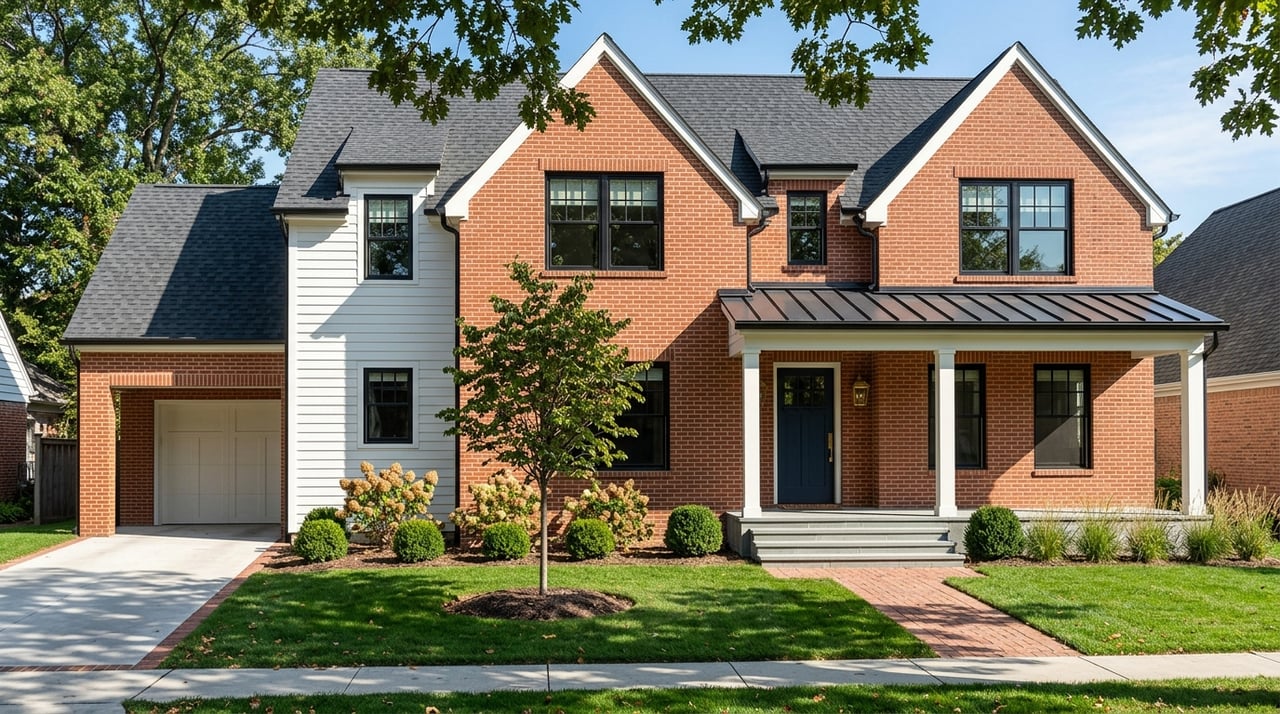
In practical terms, that means newer homes often sit among houses built in the 1940s and 1950s. Brentwood has reported that infill homes have often replaced older two-bedroom, one-bath homes with larger homes that may include four bedrooms, more square footage, and two-car garages.
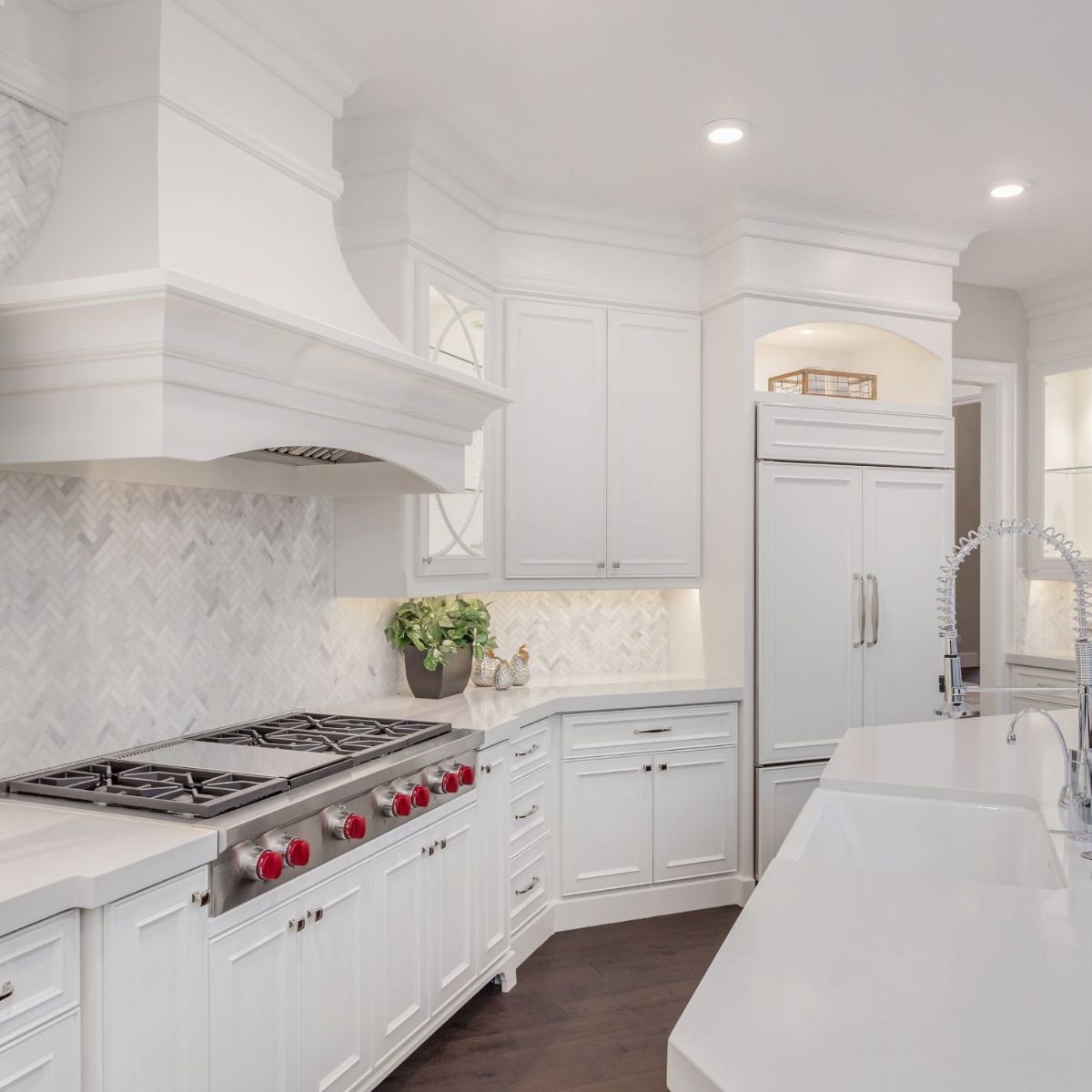
This can be appealing if you want a more current floor plan without giving up Brentwood’s central location. You may find newer construction that offers updated layouts and storage, but still sits on an established street with mature surroundings.
Why Lot Value Matters In Brentwood
In a market like Brentwood, the lot is often a major part of the value story. Since the city is built out, the opportunity is not just the house itself. It is also the location, dimensions, and build potential of the parcel.
Lot sizes in Brentwood can vary widely, with planning materials noting a range from about 3,500 square feet to 85,000 square feet. That wide spread means each property needs to be evaluated on its own merits rather than compared too loosely to homes in a more uniform subdivision.
For infill buyers, a boundary survey becomes especially important. The city recommends one to verify property lines, help prevent neighbor disputes, inform construction plans, and support financing.
Setbacks And Site Rules Affect Design
One of the biggest differences between buying an infill home and buying in a newer subdivision is that site constraints can shape the final product. Brentwood’s lot standards depend on the parcel’s zoning district and the established block pattern.
The city’s residential setback rules show how much those details matter. In the A Residential District, additions require at least 8 feet of side yard setback and 25 feet of rear setback. In the B Residential District, additions require 5 feet of side yard setback and 20 feet of rear setback.
Those dimensions may sound technical, but they affect very practical things like house width, garage placement, outdoor space, and what future expansion may look like. If you are weighing two homes with similar square footage, the lot and setback context may be one of the biggest differences between them.
Design Review Is Part Of The Process
In Brentwood, new construction is not simply about what a builder wants to build. The city’s Architectural Review Board reviews new residential construction with attention to massing, materials, and how a home fits the surrounding block.
That review process can be a positive for buyers who care about long-term streetscape consistency. Brentwood’s design guidance emphasizes compatible roof forms, porch design, and street-facing materials, and it gives extra attention to front-facing garages, sometimes called snout houses.
The city says garage prominence should be reduced where possible, with side-entry or rear-entry garages preferred when the lot allows. So if you are shopping for a new home in Brentwood, expect the best infill properties to reflect not only modern construction but also a clear effort to fit their setting.
Renovate Or Rebuild: What Buyers Should Weigh
For many buyers, the real question is not simply old versus new. It is whether you want the character of an established home with renovation potential or the convenience of a rebuilt or recently constructed property.
An older Brentwood home may offer original scale and setting, but renovations and additions still need to work within the city’s setback requirements and may trigger Architectural Review Board review. That can affect timeline, design flexibility, and budget.
A rebuild or newer infill home may offer more square footage and a more modern layout from day one. Brentwood’s 2023 financial report noted that older established homes were generally described in the $300,000 to $500,000 range, while infill replacements were generally described in the $500,000 to $1,000,000 range.
That does not mean one option is better for every buyer. It means you should compare value based on your goals, your timing, and how much work you want to take on after closing.
What Buyers Can Expect From Permits And Approvals
If you are buying a newly built home or a heavily renovated property in Brentwood, it helps to know that the city handles residential permitting and inspections directly. Brentwood, not St. Louis County, oversees that process.
The city says permits are handled online through MyGov, registration takes 24 to 48 hours, and review can take up to 10 business days. It also notes that contractor licensing is required for work in the city.
Most exterior alterations require Architectural Review Board approval before a permit is issued, with limited exemptions such as decks, window replacements, fences, and roof shingles. New construction also requires a building permit, so approvals are a meaningful part of the timeline for any infill or rebuild project.
Occupancy Is A Separate Step
A finished house is not automatically ready for move-in just because construction is complete. Brentwood requires an occupancy permit for ownership changes or tenant changes.
That means a new build or renovated resale generally cannot simply be occupied without completing the city’s occupancy process. For buyers, this is one more reason to work carefully through timing, documentation, and final inspections before you plan your move.
How To Shop Smart In Brentwood
Because Brentwood is a built-out market, each new construction or infill opportunity tends to be more individual. Two homes with similar price points can differ meaningfully based on lot size, block context, garage placement, setback limitations, and how thoughtfully the design responds to the street.
When you evaluate a property, focus on the fundamentals:
- The lot size and shape
- The zoning context and setbacks
- Whether the home feels compatible with the block
- Garage placement and curb appeal
- Whether a boundary survey is available or needed
- The status of permits, approvals, and occupancy requirements
This is where local guidance matters. Infill homes can offer a strong mix of location and modern living, but the details behind the walls and around the site matter just as much as the finishes you see on showing day.
Why Brentwood Appeals To Move-Up Buyers
For many move-up buyers, Brentwood offers a compelling middle ground. You can be close to major highways and central St. Louis destinations while still buying into an established residential setting.
That combination helps explain why reinvestment continues here. Buyers are often drawn to the chance to own a more updated home in a mature community where redevelopment is managed with an eye toward neighborhood fit.
If that sounds like your goal, Brentwood is worth a close look. You just want to enter the search knowing that new construction here is typically selective, site-specific, and shaped by city review rather than mass production.
If you are weighing a Brentwood infill purchase, need help comparing rebuilds versus established homes, or want strategic guidance on what adds value in this market, the Andel-White & McDonald Group is here to help you list well and buy smart.
FAQs
What does new construction in Brentwood usually mean?
- In Brentwood, new construction usually means infill or teardown-and-rebuild homes on existing lots rather than large new subdivisions.
What should buyers know about Brentwood lot sizes?
- Brentwood lot sizes can vary widely, and that makes the lot itself an important part of a property’s value, design potential, and future use.
What design rules affect infill homes in Brentwood?
- New residential construction in Brentwood is reviewed by the Architectural Review Board, which looks at massing, materials, roof forms, porch design, and garage prominence in relation to the surrounding block.
What setbacks apply to Brentwood residential properties?
- Setbacks depend on the zoning district, with the city noting different side and rear yard requirements in A and B Residential Districts.
What permits are needed for new construction in Brentwood?
- Brentwood requires a building permit for new construction, and most exterior alterations also require Architectural Review Board approval before permits are issued.
What should buyers know about Brentwood occupancy permits?
- Brentwood requires an occupancy permit for ownership or tenant changes, so a new or renovated home generally needs to complete that city process before move-in.