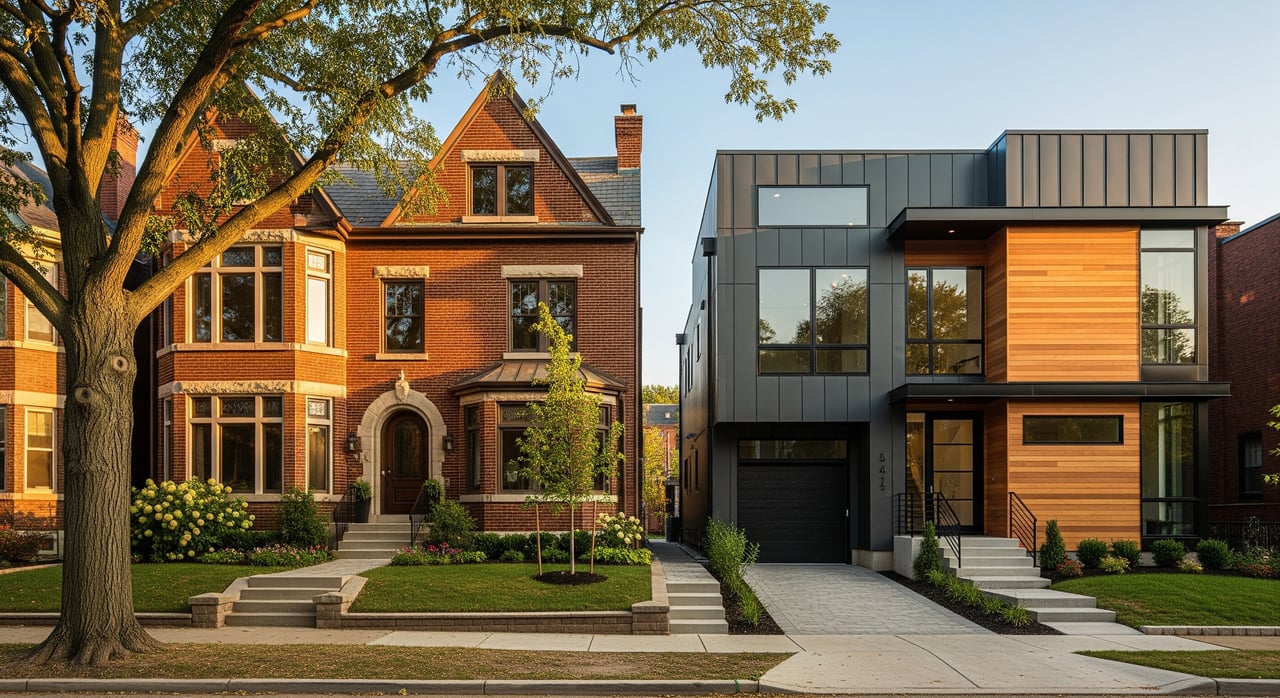
Torn between the warmth of a 1920s charmer and the clean lines of a brand-new build? If you are moving up in Webster Groves, this is a real decision with real tradeoffs in cost, time, and risk. You want space, storage, and a yard that fits your life, plus confidence that you are making a smart investment. In this guide, you will compare new builds and historic homes in Webster Groves across inspections, permits, energy costs, financing, and resale so you can choose with clarity. Let’s dive in.
Quick comparison: new vs. historic
Purchase and competition
- Historic homes: Character, mature lots, and walkable locations can command premiums when updated. Inventory for larger move-up homes can be tight.
- New builds: Infill is limited and often priced at a premium. Edge-of-town new builds may offer more square footage for the price with less walkability.
Inspections and risks
- Historic: Expect potential lead-based paint (pre-1978), possible asbestos, older wiring or plumbing, foundation settlement, tuckpointing needs, and clay sewer laterals.
- New: Fewer immediate system risks and a builder warranty, but watch grading, drainage, and workmanship.
Renovation and permits
- Historic: Exterior changes in local historic districts may need review and a certificate of appropriateness. Plan for added time and materials requirements.
- New: Build timelines often run 6 to 12 months for a spec home and longer for custom. Permit review depends on City workload and design review.
Operating costs
- Historic: Maintenance can be higher if systems are original. Energy costs improve with targeted retrofits.
- New: Lower near-term maintenance and better energy performance to start.
Financing and incentives
- Both: Conventional, FHA, and VA financing are options. Renovation loans can fund improvements. Construction loans apply to new builds.
Resale
- Both can sell well in Webster Groves if they match buyer priorities like location, schools, and functional layout.
What matters in Webster Groves
As a move-up buyer, you probably want a practical layout, storage, and a yard that works for daily life. Many families value proximity to parks, local business districts, and commuter routes into greater St. Louis. The Webster Groves School District is a common consideration, and you should review objective information and commute needs to guide your choice. Age alone does not decide value here, the right house in the right location does.
Inspections and hidden risks to watch
Historic homes built before 1978 likely contain lead-based paint. If you plan to renovate, make sure your contractors follow the EPA Renovation, Repair and Painting rules and consider testing before work begins. You can learn about contractor requirements in the EPA’s guidance on the Renovation, Repair and Painting program.
Many older Webster Groves homes may also have asbestos in select materials, older electrical systems like knob-and-tube or ungrounded wiring, and galvanized or cast-iron plumbing. Foundations and older brick mortar can show settlement or deterioration that require specialist evaluation. Chimneys, porches, and roofing details should be assessed by qualified inspectors.
Sewer laterals in older houses are often clay and can fail. A sewer scope is a smart standard in Webster Groves. New builds typically present fewer immediate system risks and often include a builder warranty, but pay attention to grading, drainage, and landscaping completion.
Recommended inspections:
- General home inspection
- Sewer scope
- Termite/wood-destroying organism inspection
- Chimney and fireplace inspection (for older systems)
- HVAC and electrical specialist evaluations if equipment is vintage
- Lead paint and asbestos testing for pre-1978 homes or planned renovations
- Structural or soil engineer if you see settlement or plan major additions
- Radon testing is advisable across the St. Louis region
Renovations, permits, and timeline
Webster Groves includes locally designated and National Register historic districts. If the property is within a local district, exterior changes often require design review and a certificate of appropriateness through the Historic Preservation Commission. Start early with the City of Webster Groves to confirm district status, review steps, and materials guidelines.
For historic renovations, plan a contingency of at least 10 to 20 percent, and consider 25 percent for major projects. Renovations can uncover hidden issues, and preservation-friendly materials and methods may add cost. Ask the City about current review timelines and expect 4 to 8 or more weeks in busy periods, plus contractor lead time.
For new builds, typical single-family timelines run about 6 to 12 months for a speculative home from permit to move-in and 9 to 18 or more months for a full custom build. Weather, utility connections, plan review, and builder capacity all affect the schedule. Confirm warranty coverage and transferability in writing.
Operating costs and energy efficiency
Older homes can have higher maintenance, especially if roofs, windows, or mechanicals are near end of life. General lifespan ranges help you plan: asphalt roofs often last around 20 to 30 years, HVAC systems about 15 to 20, water heaters around 8 to 15, and windows vary by quality. Mature trees add shade and appeal, but also require ongoing care.
New builds benefit from modern codes, better insulation, air sealing, and efficient windows and systems. Historic homes can close the gap with targeted upgrades. Common high-impact retrofits include attic insulation, air sealing, high-efficiency HVAC, and insulated storm windows. For practical how-tos and savings estimates, explore the U.S. Department of Energy’s Energy Saver guidance. To see current local rebates and programs, check Ameren Missouri.
If you are curious about a property’s historic context, the National Park Service explains how the National Register of Historic Places works. Local district rules are separate, so confirm requirements with the City.
Financing, incentives, and insurance
You can purchase either type of home with conventional financing or government-backed options like FHA or VA, subject to qualifications. If you plan improvements, renovation loans can wrap repairs into your mortgage. The FHA’s 203(k) program and Fannie Mae’s HomeStyle Renovation are two common paths. Construction loans are typical for custom new builds and usually convert to a permanent mortgage after completion.
Historic tax credits are usually not available for owner-occupied homes at the federal level. Missouri programs vary over time. Confirm eligibility with the Missouri State Historic Preservation Office and your tax adviser before relying on any incentive.
Insurance premiums can be higher for older homes with outdated wiring, roof issues, or unique materials. Updates often lower costs, so ask for quotes both before and after planned improvements. Property taxes in Webster Groves are based on assessed value and can change with renovations or new construction. For parcel records and assessment practices, consult St. Louis County.
Resale realities in Webster Groves
Historic charm sells when paired with a functional layout, updated kitchens and baths, and proximity to parks and local shops. New builds appeal to buyers who prefer open plans, en-suite bedrooms, mudrooms, and garages with low immediate maintenance. In Webster Groves, location, neighborhood character, and a home that “lives well” tend to drive resale more than age alone.
When you list, highlight certified updates like HVAC age, roof condition, insulation improvements, and any preserved features that matter to Webster Groves buyers. Clear documentation helps both types of homes stand out and defend value.
Pre-offer checklists
What to request from the seller or listing agent:
- Recent disclosures and any prior inspection reports
- Ages and documentation for roof, HVAC, water heater, electrical panel, and plumbing updates
- Historic district status and any prior approvals if applicable
- Twelve months of utility bills to compare energy costs
Contingencies and inspections to include:
- Full home inspection with sewer scope and termite/WDO
- Lead paint and asbestos testing for pre-1978 homes or planned renovations
- HVAC and electrical specialist evaluations as needed
- Structural engineer if you see settlement or plan additions
- Financing contingency aligned with your plan, such as a renovation loan
Timeline examples to set expectations:
- Well-maintained historic with minor work: 30 to 45 days to close, 1 to 3 months of updates
- Historic with moderate renovation: inspections and design 1 to 2 months, permitting 1 to 3 months, renovation 3 to 9 or more months
- Spec new build: 60 to 180 or more days depending on completion
- Custom new build: 9 to 18 or more months
How to decide with confidence
If you value character, mature trees, and walkable blocks, and you have time and a contingency budget, a historic home can be very rewarding. If you want a turn-key layout, energy efficiency, and low near-term maintenance, a new build can be a simpler path. Either way, ground your choice in three factors: your budget, your timeline, and your tolerance for renovation risk.
Use local comps and a detailed inspection plan to protect your upside. Confirm district rules and permit timelines with the City of Webster Groves, and verify tax and record details with St. Louis County. If incentives matter to your plan, check the Missouri State Historic Preservation Office for current programs.
Ready to compare specific homes and align the strategy to your goals? Reach out to the Andel-White & McDonald Group to “List Well. Buy Smart.” in Webster Groves.
FAQs
Can I use a renovation loan to buy in Webster Groves?
- Yes. Options like FHA’s 203(k) and Fannie Mae’s HomeStyle Renovation can finance repairs and upgrades in a single loan, subject to program rules and your qualifications.
Do historic districts stop me from renovating the exterior?
- Not necessarily. In locally designated districts, exterior changes often require review and approval to meet design guidelines. Interior changes are typically outside that process.
Are there tax credits for restoring an owner-occupied historic home?
- Federal historic rehab credits generally do not apply to owner-occupied homes. Missouri programs can change, so confirm current rules with the Missouri State Historic Preservation Office and a tax adviser.
What inspections are most important for older Webster Groves homes?
- In addition to a general inspection, prioritize a sewer scope, termite/WDO, chimney, and evaluations of electrical, HVAC, and structure. Test for lead and asbestos when relevant.
How long does a new build usually take in Webster Groves?
- Build times vary by builder, weather, and review workload. A spec home often runs 6 to 12 months from permit to move-in, while custom builds run about 9 to 18 or more months.
Will a historic home cost more to insure than a new build?
- It can. Older wiring, roof age, and specialized materials can raise premiums. Updating systems and the roof often reduces costs, so compare quotes before and after improvements.
How do property taxes work when I renovate or build?
- St. Louis County assesses value and taxes are based on that assessment. Renovations and new construction can change assessed value, so review parcel records and policies with the County.