Thinking about a home that is easy to lock up and leave behind for a weekend, a work trip, or a longer stretch away? In Central West End, condo living can offer exactly that kind of convenience, but not every building delivers the same experience. If you want low-maintenance living without surprises, it helps to know what really matters before you buy. Let’s dive in.
Why Central West End Works
Central West End is well suited to buyers who want daily convenience and less exterior upkeep. The neighborhood sits on the eastern edge of Forest Park and is known for its walkable mix of dining, coffeehouses, shops, galleries, and events.
The City of St. Louis also describes the area as primarily residential, with apartments and flats as the dominant housing type. That housing pattern makes condos a natural option if you want a home base that feels connected, practical, and easier to manage.
For many buyers, location is the heart of the lock-and-leave appeal. Central West End is especially relevant for people with demanding schedules, including medical professionals, because the Washington University Medical Campus and major hospital destinations are located in or near the neighborhood.
What Lock-and-Leave Really Means
Lock-and-leave living does not mean zero responsibility. It usually means you are shifting from yardwork, exterior maintenance, and many standalone home chores into a shared-ownership structure with monthly dues, building rules, and association oversight.
That trade can be a smart one if your lifestyle values simplicity, travel flexibility, and a more streamlined routine. It can be an even better fit if you want to be close to neighborhood amenities and major employers without taking on the full maintenance load of a detached home.
The key is understanding the details before you buy. In Central West End, the building itself often matters more than the neighborhood label.
Condo Amenities Vary by Building
One of the biggest mistakes buyers make is assuming all Central West End condos offer the same features. Current listings show a wide range of amenities, and the package can vary sharply based on the building’s age, size, and association budget.
Common access and security features
Many condo buildings offer features designed to support convenience and peace of mind, such as:
- Gated entry
- Intercom systems
- Cameras
- Doorman service
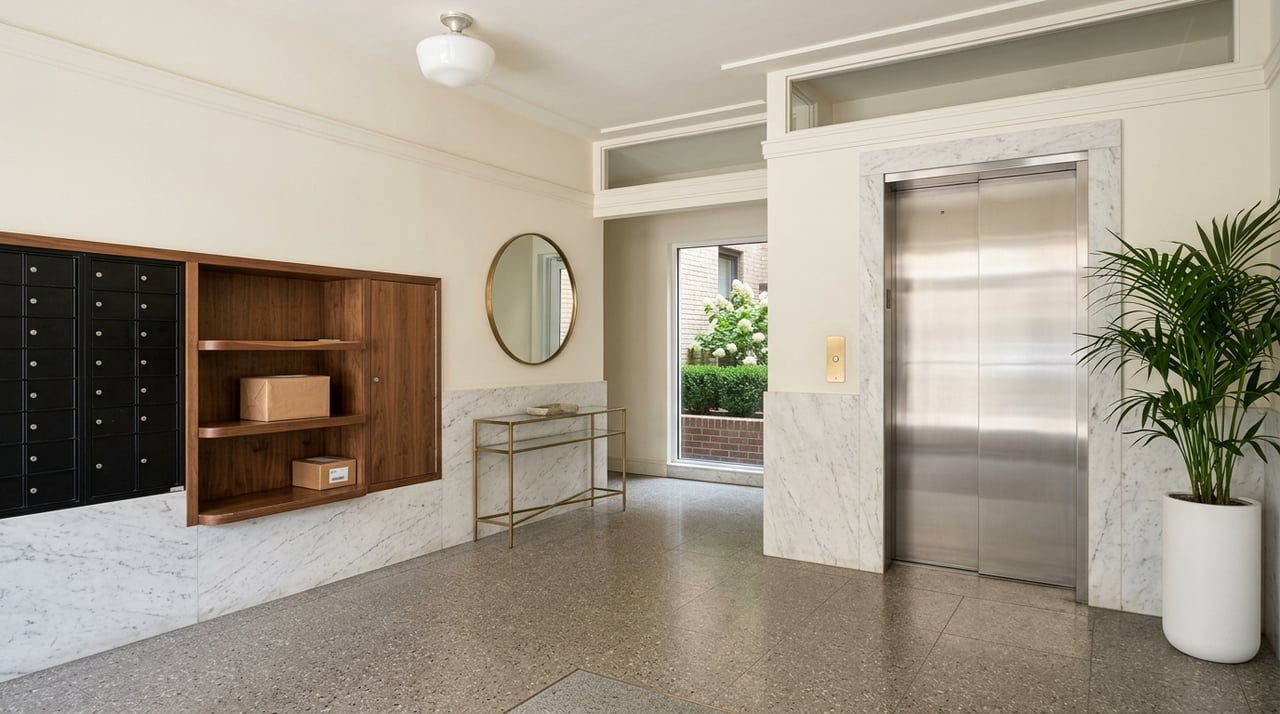
- Secure mail or package rooms
If you travel often or keep a busy schedule, these details can make everyday ownership feel much easier.
Parking and storage options
Parking and storage are often where condo living becomes either seamless or frustrating. Depending on the unit and building, you may see:
- Garage spaces
- Gated parking
- Assigned spaces
- Storage lockers
- Bike storage
- Multiple parking spots in some cases
You should never assume these features are included just because a building is in Central West End. They need to be verified unit by unit.
Shared lifestyle amenities
Some buildings also include shared amenities that add to the lock-and-leave appeal, including:
- Pools
- Clubhouses
- Fitness centers
- Saunas
- Common grounds
- Grill areas
- Courtyards
These features can be a nice bonus, but they also tie back to dues, maintenance, and reserve planning.
In-unit convenience features
Inside the unit, buyers may find features that support easier day-to-day living, such as:
- In-unit laundry
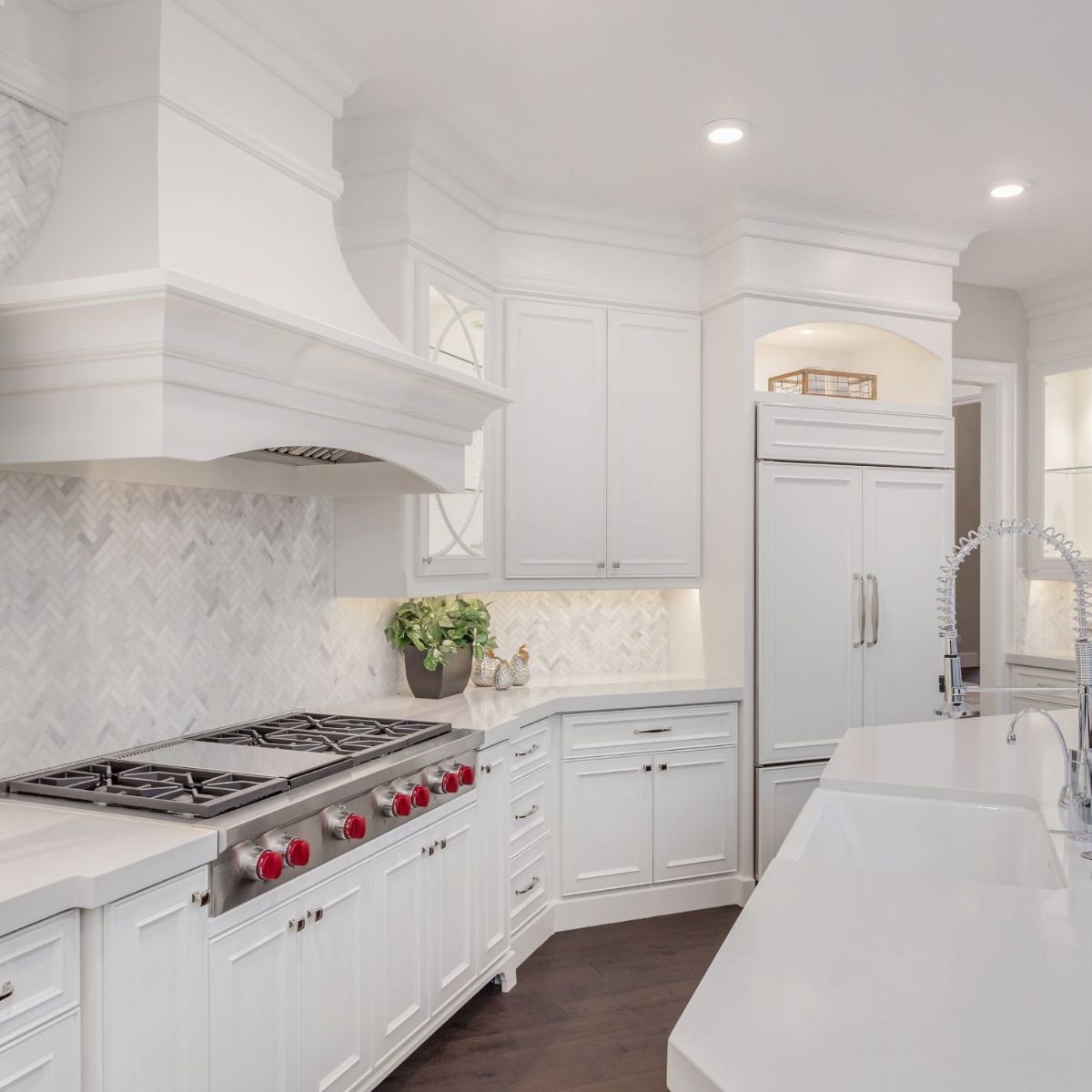
- Updated kitchens
- Fireplaces
- Decks
- Extra closet space
- Additional storage
If your goal is simple, efficient living, these practical features can matter just as much as the building’s shared amenities.
Parking and Storage Deserve Extra Attention
If there is one part of the search that deserves close review, it is parking and storage. The official Central West End parking guide notes that public parking is available at meters and in lots throughout the neighborhood, with meter enforcement Monday through Saturday from 8 a.m. to 7 p.m.
That is helpful for guests and occasional visits. Still, most condo buyers are thinking about something more important: whether the unit comes with dedicated parking, guest parking options, and storage that actually transfers with the sale.
Under Missouri condominium law, some features such as parking spaces and storage lockers may be treated as limited common elements. In plain language, that means they may be reserved for the exclusive use of one or more units, but they are not always owned in the same way buyers expect.
This is why the details matter. One unit may include a private two-car garage, another may come with one garage space and a locker, and another may offer only gated parking access.
HOA Rules and Fees Matter More Than Many Buyers Expect
Low-maintenance living still comes with shared financial and legal obligations. Missouri law gives condominium associations broad authority to adopt rules, set budgets, manage reserves, regulate common elements, hire managers, and collect assessments.
That means your monthly dues are not just a line item. They are part of how the building operates, maintains shared areas, and plans for future needs.
Missouri law also requires a resale certificate before a condo unit changes hands. This certificate must disclose key details such as:
- The monthly common expense assessment
- Any unpaid common or special assessments
- Other fees
- Anticipated capital expenditures
- Reserve funding
- The current operating budget
- Insurance coverage
- Pending lawsuits
- Known alterations that violate governing documents
For a cautious buyer, this is one of the most important document sets in the transaction. It gives you a clearer picture of the building’s financial health and whether major repairs, disputes, or added costs may be on the horizon.
Missouri law also allows past-due common expense assessments to bear interest up to 18 percent per year, and unpaid assessments can become a lien on the unit. That is a strong reminder that condo ownership works best when the association is managed clearly and owners stay current.
Historic District Rules Can Affect Future Plans
Central West End has been a historic district since 1974. The City of St. Louis states that the district’s ordinance and standards regulate new construction and additions to existing buildings.
For condo buyers, that can matter if you are thinking ahead about exterior-facing updates. Window changes, balcony work, or other alterations that affect the building exterior may involve more review than they would in a non-historic area.
That does not make buying in the neighborhood harder. It simply means your plans should match the building rules and the district review environment.
Questions to Ask Before You Buy
A strong lock-and-leave condo usually comes down to a handful of practical questions. Before you move forward, make sure you ask about:
- Whether parking is deeded, assigned, leased, or first-come
- What guest parking is available
- What the monthly assessment covers
- Whether reserve funding appears strong enough for future projects
- Whether any special assessments or major repairs are already expected
- Whether there are any pending lawsuits involving the association
- What storage transfers with the unit
- Whether storage is separate or treated as a limited common element
- Whether the rules allow your plans for pets, rentals, or renovations
- Whether historic district approvals may apply to exterior work
These are not small details. They directly shape how easy the condo will be to own, use, and leave behind when life gets busy.
Who This Lifestyle Often Fits Best
In Central West End, lock-and-leave condo living often appeals to buyers who want more freedom in their schedule and fewer property demands. That can include downsizers, frequent travelers, relocation buyers, and professionals who want quick access to the neighborhood and nearby medical campus.
The best fit is usually a building with assigned parking, useful storage, clear reserve funding, and rules that align with how you actually plan to live. The weaker fit is often a building with unclear parking rights, thin reserves, or restrictions that do not support your day-to-day routine.
Buying smart in a condo market like this means looking past surface-level charm and into the structure behind the lifestyle. When you do that well, Central West End can offer a home that feels both connected and refreshingly easy to manage.
If you are weighing condo options in the Central West End and want guidance that is strategic, local, and detail-focused, the Andel-White & McDonald Group is here to help you list well and buy smart.
FAQs
What makes Central West End condos appealing for lock-and-leave living?
- Central West End offers a walkable setting with residential density, nearby dining and shops, and convenient access to major medical destinations, which can make condo ownership feel practical and low-maintenance.
What should buyers ask about parking in Central West End condos?
- You should ask whether parking is deeded, assigned, leased, or first-come, and whether the unit includes guest parking, garage access, or other dedicated arrangements.
Why do condo HOA documents matter in Missouri?
- Missouri requires a resale certificate with details about dues, reserves, anticipated capital expenses, insurance, pending suits, and other important building facts that help you judge the association’s financial health.
Are all Central West End condo amenities the same?
- No. Amenity packages can vary widely by building, with differences in security, parking, storage, fitness areas, pools, package handling, and in-unit features.
How does the Central West End historic district affect condo buyers?
- If you plan exterior-facing changes such as window work, balconies, or additions, you may need to account for historic district standards and review requirements set by the City of St. Louis.
Who is a good fit for lock-and-leave condo living in Central West End?
- Buyers who want less exterior maintenance, more travel flexibility, and close access to neighborhood amenities or the nearby medical campus often find this lifestyle especially appealing.