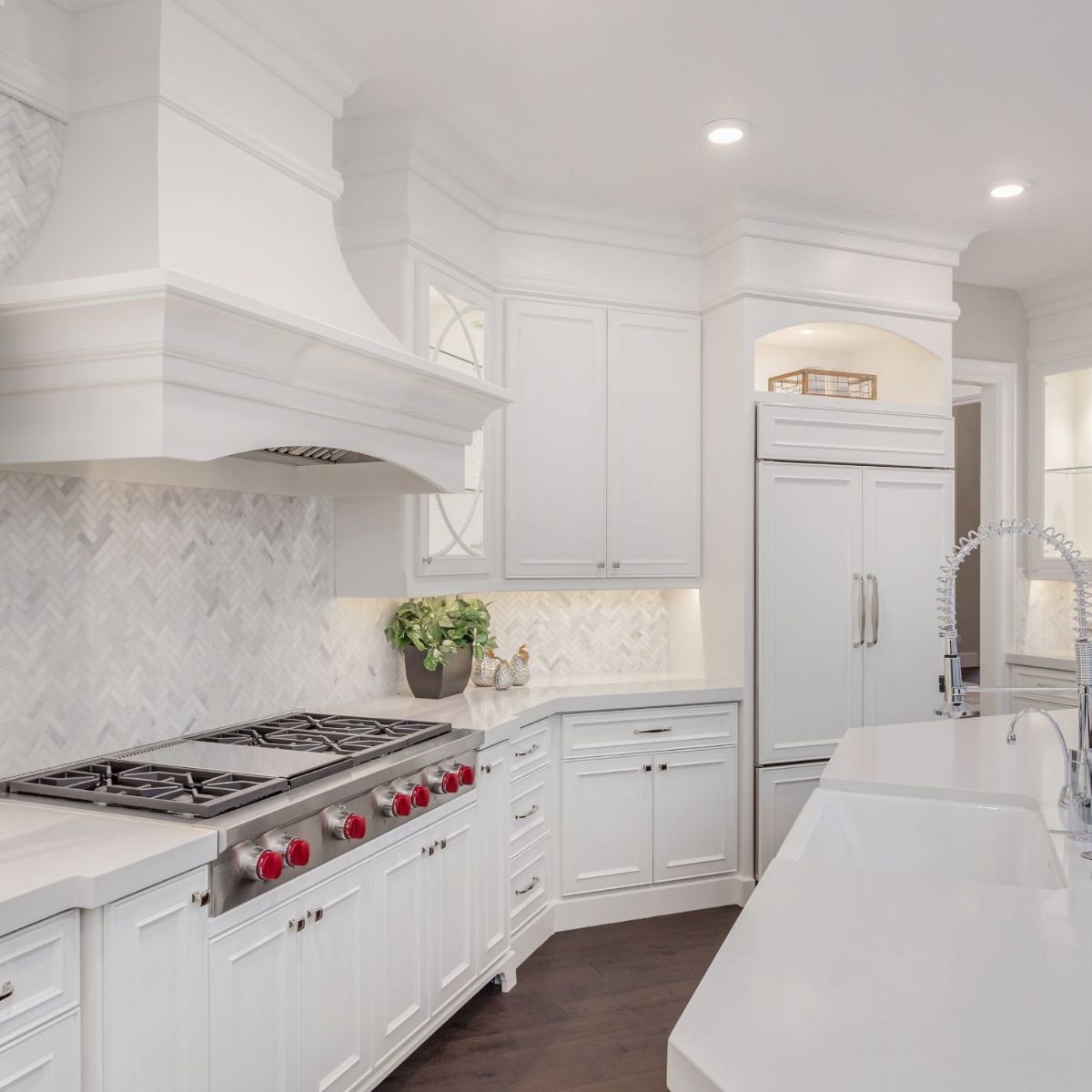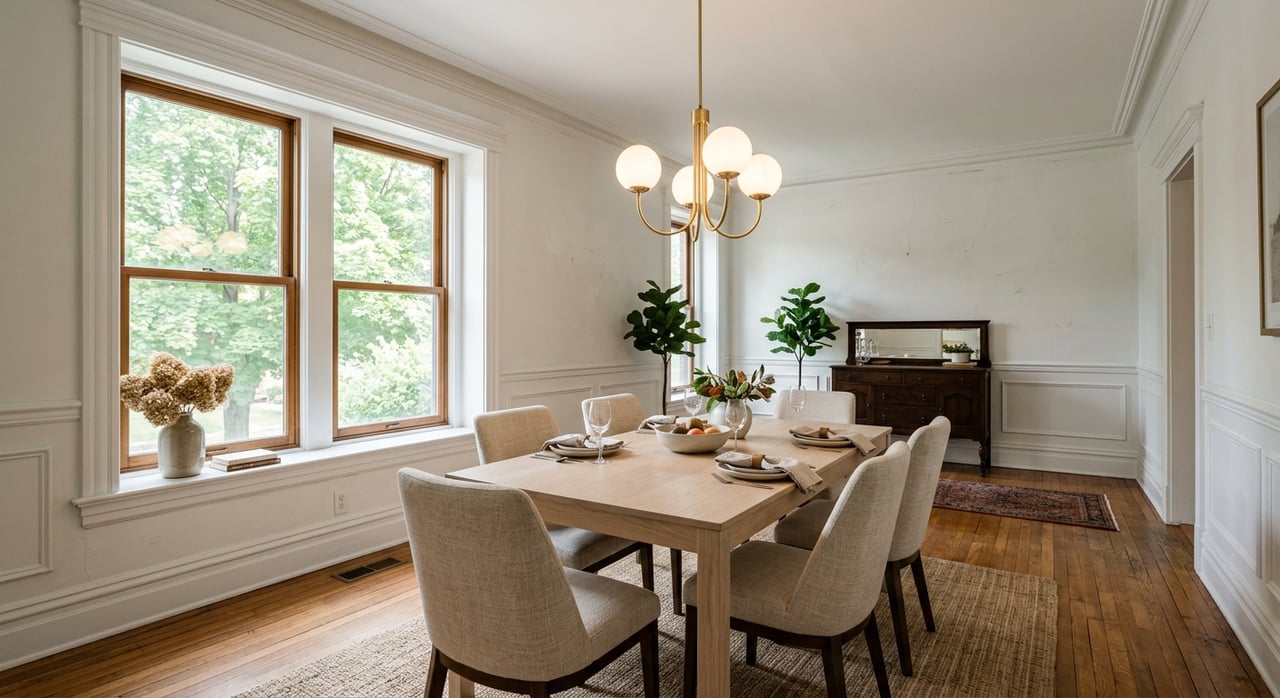
Thinking about listing a historic home in Webster Groves? You are not alone in wondering how much to update, what to preserve, and whether that next exterior project needs city review first. The good news is that in a community known for tree-lined streets, walkable neighborhoods, historic business districts, and long-loved homes, original character can be an asset when you prepare it thoughtfully. This guide will help you focus on the work that matters most, avoid common missteps, and present your home with the kind of story and polish that today’s buyers notice. Let’s dive in.
Why character matters in Webster Groves
Webster Groves has a long history, and that history still shapes how buyers experience the market today. The city highlights its tree-lined streets, abundant single-family homes, walkable neighborhoods, and historic business districts, which means architectural character is part of the appeal for many buyers.
That matters when you are getting ready to sell. In Webster Groves, preserved millwork, original windows, front porches, staircases, fireplaces, and other period details often help a home stand out rather than hold it back.
The city also has five historic districts and 48 historic landmarks. On top of that, the Webster Groves Historical Society notes that nearly 500 local homes have Century Home plaques for houses more than 100 years old. If your home’s age and history can be documented, that can give your listing a stronger and more memorable narrative.
Start with research before repairs
Before you paint, replace, or remove anything, gather the basic history of the house. Webster Groves’ home-history guide recommends looking for clues in basement footprints, walls, attic rafters, decorative moldings, flooring, siding, window construction, and the home’s overall style.
As you research, build a clean property file. Include old photos, renovation records, permits, dates of major updates, and any information you have about original owners or longtime stewards of the home.
If your home may qualify for or already has a Century Home plaque, that is worth confirming early. The Historical Society says these plaques include the year built and original owner, which can become a valuable part of your marketing story.
Check historic status before exterior work
This is one of the most important steps for Webster Groves sellers. If your home is in a historic district or is designated as a historic landmark, exterior work may require review before you move forward.
The city’s Historic Preservation Commission protects and promotes historic districts, structures, and land. The Architectural Review Board reviews new construction and renovation work that affects the exterior appearance of the main building, along with sign permits and fences in historic districts, before Building Commissioner approval.
If a property is a historic landmark or lies inside a historic district, a Certificate of Appropriateness is required for demolition or relocation of part of the property and for subdivision or boundary adjustments. The city is clear that historic designation is not a ban on change, but it is a framework for managing change so original character remains intact.
District rules may vary
Webster Groves identifies four named historic district guideline sets on the Architectural Review Board page: Central Webster, Webster Park, Marshall Place, and Old Webster. That means the review standards may differ depending on where your property sits.
If you are considering visible exterior updates before listing, check your district status first. It is also smart to keep any approvals and permits in your listing file so buyers can see the work was handled properly.
Timing matters for pre-listing projects
The Architectural Review Board notes that applications must be submitted before the meeting date. It also encourages preliminary review for major projects so owners can avoid the expense of full construction drawings too early.
If you are on a listing timeline, this can affect what is realistic to complete before your home goes live. In many cases, a seller is better served by finishing smaller approved improvements, documenting larger plans clearly, and avoiding rushed exterior changes.
Focus on repair before replacement
When you prepare a historic home for sale, the goal is not to make it look brand new. The better goal is to make it look well cared for, functional, and true to its character.
A helpful framework comes from preservation guidance that emphasizes retaining historic character, protecting and maintaining features first, repairing second, and replacing only when deterioration is too severe to fix. For sellers in Webster Groves, that often means resisting the urge to strip away original details in the name of modernization.
Original features worth preserving
Character-defining interior features should usually be retained and repaired whenever possible. These often include:
- Original doors
- Transoms
- Wood trim and millwork
- Staircases
- Mantels
- Wood floors
- Plaster details
- Exposed brick elements
These are often the features buyers remember after a showing. If they are in serviceable condition, restoring them usually does more for presentation than replacing them with something newer but less distinctive.
Windows deserve careful thought
Windows are one of the biggest decision points in older homes. Preservation guidance notes that deterioration, operation issues, hazardous materials concerns, code requirements, or energy performance concerns do not automatically mean historic windows should be replaced.
Many older windows can be repaired or weatherized, and storm windows may help improve comfort while reducing visual impact. If you are weighing a window project before listing, it is worth slowing down and assessing repair options before making a broad replacement decision.
Use a smart pre-listing checklist
When sellers feel pressure to prepare quickly, it is easy to jump into expensive projects too soon. A better sequence is to handle the basics first, then decide whether larger repairs are truly necessary.
A practical checklist for a historic Webster Groves home looks like this:
- Deep clean the entire house
- Declutter every room
- Touch up paint where needed
- Fix obvious defects
- Organize permits and records for prior work
- Evaluate whether a larger repair is worth the cost and timeline before listing
This order matters. Once rooms are cleaner, clearer, and brighter, you may find that original finishes read as charming rather than tired.
What repairs are usually worth doing
In most cases, the best pre-listing work is the work buyers can feel immediately. Think function, upkeep, and presentation.
That often includes:
- Repairing loose hardware, sticking doors, and damaged trim
- Addressing visible maintenance items
- Cleaning carpets and floors
- Refreshing paint where it improves overall finish
- Tidying landscaping and entry appeal
- Making sure important original features are clean and visible
The goal is to remove distractions, not erase the home’s age.
What to avoid before listing
Historic homes can lose value when updates feel generic or out of sync with the house. Preservation guidance warns against creating a false sense of history or using incompatible substitute materials.
That means sellers should be cautious about faux-period finishes, heavy-handed remodels, or broad replacement of original materials without a strong repair or safety reason. In many cases, buyers respond better to authenticity than imitation.
Stage the home without making it generic
Staging can make a measurable difference. In a recent survey, 83% of buyers’ agents said staging made it easier for buyers to visualize a property as their future home. Agents also reported that staging can increase the dollar value offered and reduce time on market.
For a historic home, though, staging should support the architecture instead of competing with it. That usually means a lighter, more edited approach than you might use in a newer house.
Prioritize the rooms buyers notice first
Survey data shows the highest-priority spaces to stage are typically the living room, primary bedroom, and kitchen. Sellers’ agents also commonly focus on the dining room.
In a Webster Groves historic home, these rooms often carry some of the home’s strongest architectural details. Thoughtful staging helps buyers notice the room itself, not just the furniture.
Keep character in view
As you stage, make sure signature details remain visible in photos and during showings. That can include:
- Fireplaces and mantels
- Built-ins
- Staircases
- Original trim and molding
- Front porches and entries
- Room-to-room flow
Use fewer pieces, not more. A curated setup often photographs better and leaves room for buyers to appreciate scale, craftsmanship, and natural light.
Build a listing story buyers remember
A historic home in Webster Groves often benefits from better storytelling than a standard feature list alone. Buyers are not just comparing bedroom counts. They are also responding to provenance, craftsmanship, and how the home fits into the larger setting.
The city describes Webster Groves as known for tree-lined streets, walkable neighborhoods, and historic business districts. That gives you a credible way to frame the home as part of a broader neighborhood experience while staying factual and grounded.
Details that belong in your marketing
If you have them, these details can strengthen listing remarks, brochures, and showing materials:
- Year built
- Original owner information
- Century Home plaque status
- Documented renovation history
- Historic architectural style
- Notable craftsmanship details
- Old photos or preserved records
The strongest marketing connects those facts to what a buyer will actually experience. Instead of sounding museum-like, it should help the home feel cared for, storied, and livable.
Photos should show craftsmanship and context
For many historic listings, the most effective photo set highlights both the house and its details. That often includes curb appeal, the front porch or entry, the main living room, the staircase, original millwork, and any documented historic features.
These images help buyers understand not only the layout, but also the craftsmanship that makes the home different from newer inventory. In Webster Groves, that difference can be a major advantage when it is presented clearly.
Sell the home you have, polished and well documented
The best historic listings rarely come from over-renovating. They come from understanding what makes the house special, repairing what truly needs attention, and presenting the property with clarity and confidence.
If you own a historic Webster Groves home, your pre-listing plan should protect character, respect local review requirements, and bring forward the details buyers will value most. When you pair that with clean documentation, thoughtful staging, and polished marketing, you give your home its best chance to stand out.
If you are preparing to sell a distinctive home in Webster Groves, the right strategy starts with knowing what to preserve, what to improve, and how to tell the story well. The Andel-White & McDonald Group helps sellers present exceptional homes with the care, polish, and local insight they deserve.
FAQs
Does a historic home in Webster Groves need approval before exterior work?
- If your home is in a historic district or is a historic landmark, some exterior work may require review by the Architectural Review Board, and certain actions may require a Certificate of Appropriateness.
What repairs are worth doing before listing a historic Webster Groves home?
- Focus first on deep cleaning, decluttering, touch-up paint, obvious defect repairs, and visible maintenance items before deciding on larger projects.
Which original features should sellers preserve in a historic Webster Groves house?
- Original doors, transoms, trim, staircases, mantels, wood floors, plaster details, and brick elements are often worth retaining and repairing when possible.
How should you stage a historic home in Webster Groves?
- Use a lighter, more curated staging approach that keeps fireplaces, built-ins, staircases, trim, porches, and room flow visible in photos and showings.
What historical details should be included in a Webster Groves listing?
- Useful details include the year built, original owner information, Century Home plaque status, documented renovation history, architectural style, and notable craftsmanship features.