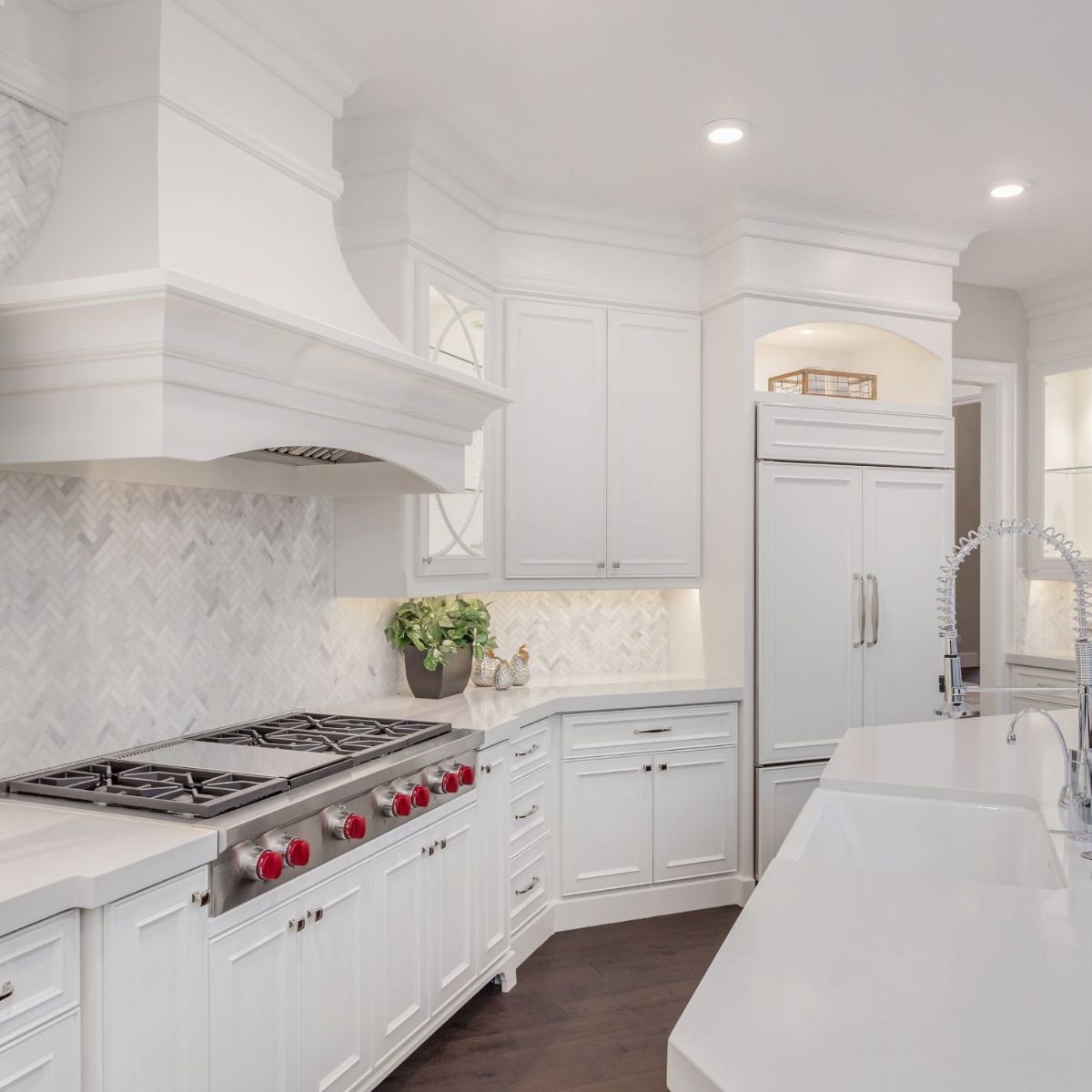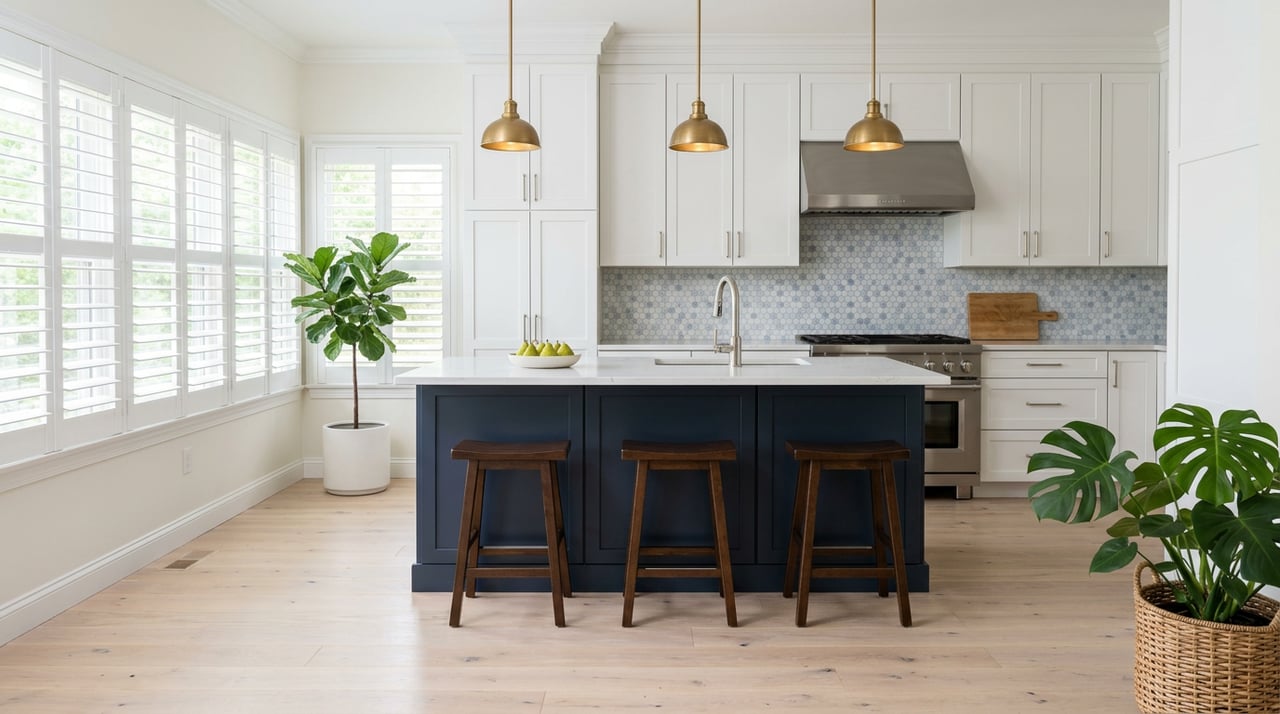
Trying to choose between a sleek condo near Shaw Park or a classic brick home on a leafy street in Clayton? You are not alone. The right move comes down to how you want to live, what you want to maintain, and how you plan to finance and resell. In this guide, you will see clear, Clayton‑specific tradeoffs on cost, lifestyle, and long‑term value so you can decide with confidence. Let’s dive in.
Clayton at a glance
Clayton is a compact city with roughly 17,500 residents and about 6,200 households. About 54.9% of homes are owner occupied, and the American Community Survey reports a median value of owner‑occupied units near $830,000. These figures come from the U.S. Census QuickFacts and reflect 2020–2024 estimates. You can review the snapshot on the Census site for context and updates at the city level.
Market price signals can vary by provider. Different data sets often show different short‑term medians and trends. When you compare options, ask for building‑ or block‑level sold comps from the past 6–12 months rather than relying on citywide averages.
Where Clayton condos cluster
Condos concentrate around downtown Clayton, especially near Shaw Park, Maryland Avenue, and the Forsyth corridor. The appeal is clear: restaurants and offices close by, secure garage parking, and a lock‑and‑leave lifestyle. City planning also encourages transit‑oriented density near MetroLink stations, which supports demand for this type of home.
- Learn more about local planning at the City of Clayton.
Many buildings are mid‑rise brick conversions or garden‑style communities. Others are full‑service towers with amenities like doorman services, fitness centers, pools, guest suites, and rooftop lounges. Amenity‑rich buildings tend to carry higher monthly dues and attract buyers who value convenience and services.
What you get in a single‑family home
Clayton’s single‑family homes often sit on tree‑lined streets with early‑to‑mid 20th‑century architecture and later infill. You will see varied styles, private yards, and a calm residential scale away from the commercial core. If you want outdoor space, more separation, and full control over your property, a house usually aligns best.
Two homes on the same street can differ greatly in condition, taxes, and sale price. Block‑level comps and a close look at each property’s systems, age, and updates are essential.
Cost comparison: condos vs houses
A smart choice starts with a full monthly picture: mortgage, taxes, insurance, HOA dues, and maintenance.
Property taxes: Effective property tax estimates for the broader St. Louis County area run near 1.29%, though actual bills vary by parcel and levies. Because many Clayton homes have higher assessed values, dollar tax bills can reach several thousands per year. Always pull the latest tax bill for any property you are considering.
- Reference: St. Louis County property tax trends
HOA dues (condos): Dues vary widely by building. Smaller mid‑rise communities can be in the mid‑hundreds per month, while full‑service buildings with staff, amenities, and underground parking often run higher. Dues typically cover exterior maintenance, landscaping, snow removal, common areas, and sometimes utilities or insurance portions. This trades many variable repairs for a predictable monthly fee.
Maintenance (houses): A common planning rule of thumb is to budget about 1–3% of a home’s value per year for upkeep and major systems over time. Older or larger homes can run higher. Use inspections and vendor quotes to refine your number for a specific property.
Insurance: Condo owners usually carry an HO‑6 policy for interiors, improvements, personal property, and liability, while the HOA’s master policy covers the building and common areas. Single‑family owners carry broader HO‑3 dwelling coverage. Premiums and deductibles differ, so get quotes early and review the HOA master policy for coverage limits and gaps.
Maintenance and control
Condos: The HOA typically handles exterior and common‑area maintenance. That reduces your day‑to‑day tasks, but you share control with the association and pay for reserves and projects through dues and assessments. Ask for the HOA budget, reserve study, and recent meeting minutes to assess risk.
Houses: You control your home and yard, which many buyers prefer. The tradeoff is time, vendor management, and variable costs. Build a maintenance reserve into your monthly plan from day one.
Privacy, noise, and space
Condos: Shared walls and building circulation can increase noise exposure. Evaluate floor level, unit layout, and construction type during showings. Concrete construction often feels quieter than wood framing. In exchange, you gain secure garage parking and quick access to dining, parks, and offices.
Houses: Detached homes offer private yards, separate mechanicals, and more outdoor living potential. You also take on lawn care, exterior upkeep, and seasonal maintenance.
Walkability and transit
Walkability in Clayton changes block by block. Addresses near the downtown core and Shaw Park often score higher, while residential pockets further out score lower. Check any address you are considering.
- See the area snapshot on Walk Score’s 63105 page.
Transit access is a strong advantage for many condo addresses. Clayton benefits from nearby MetroLink stations and bus routes, and the city’s planning supports density near stations. If you commute or prefer to live car‑light, this is a clear point in favor of a downtown condo.
- Learn more at the City of Clayton.
Amenities and lifestyle
Full‑service buildings in the downtown core often include:
- Concierge or door staff
- Fitness centers and pools
- Guest suites for visitors
- Rooftop or club lounges
- Assigned garage parking and storage
These features add convenience and security, which appeals to downsizers, executives, frequent travelers, and anyone who prefers building services to private yard work. Expect higher monthly dues where services and staffing are extensive.
Financing and resale factors
Condos come with project‑level rules that affect financing and resale. Make sure your lender reviews the building early.
Project eligibility: Agencies such as Fannie Mae review condo projects for things like reserves, owner‑occupancy, and commercial space. Some buildings can be hard to finance with standard loans. Ask your lender to confirm project eligibility early.
FHA options: FHA allows full project approvals or a Single‑Unit Approval in some cases. If you plan to use FHA financing, confirm whether the building qualifies and whether your lender offers single‑unit reviews.
- Guidance: FHA Single‑Family program information
Association health: Low reserves, high delinquency rates, litigation, or deferred maintenance can limit financing and slow resale. During due diligence, request the budget, reserve study, insurance certificates, recent minutes, special assessment history, and any engineering reports.
- Eligibility focus: Fannie Mae condo and PUD eligibility
Rental rules: Many associations limit rentals or short‑term rentals. These rules can support financing eligibility and owner‑occupancy but may reduce investor demand. Know the tradeoffs for your goals before you buy.
How to choose: a local checklist
Use this simple, Clayton‑specific process to compare options on any listing you like.
- Set your priorities
- Rank walkability, commute, outdoor space, privacy, and low maintenance. Decide what matters most.
- Get block‑level comps
- Ask your agent for 6–12 months of sold comps at the building or block level. Focus on realized prices, days on market, and any seller concessions.
- For condos, request the full HOA packet
- Budget and year‑to‑date financials
- Reserve study and planned projects
- Insurance declarations (type and deductible)
- Recent meeting minutes and any litigation details
- Rules for rentals, pets, parking, and storage
- If you plan to finance, have your lender check agency eligibility early using published guidelines.
- Reference: Fannie Mae project review basics
- For houses, inspect and price the upkeep
- Order a comprehensive inspection and get vendor quotes for roof, HVAC, drainage, and exterior work.
- Build a maintenance reserve using the 1–3% per‑year rule of thumb as a starting point, then refine it with actual quotes.
- Confirm parking and storage
- For condos, verify assigned spaces, guest parking, storage cages, EV policies, and enforcement. For houses, confirm driveway access, garage condition, and storage options.
- Tax and insurance check
- Pull the latest tax bill. Get an insurance quote that matches the property type (HO‑6 for condos, HO‑3 for houses). For condos, verify what the HOA master policy covers from walls‑in or all‑in.
- Insurance primer: Condo vs homeowners insurance
- Schools and daily needs
- If schools matter to your household, review district resources directly to understand programming and enrollment. Keep evaluations neutral and fact based.
- District site: School District of Clayton
Which option fits you best?
You might lean condo if you want a walkable address near offices and dining, secure garage parking, predictable building services, and low daily maintenance. This often suits downsizers, executives, frequent travelers, and relocation buyers who want a simple landing pad.
You might lean single‑family if you value a private yard, more separation, room to tailor your home over time, and full control of exterior decisions. This often suits buyers planning longer holds, those who enjoy projects, and anyone for whom outdoor space is a must.
Either path can be a great investment if you buy well. Match the home to your lifestyle, verify the numbers with real comps and quotes, and pressure‑test HOA or maintenance exposure before you commit.
Ready to compare specific addresses and see the tradeoffs in real time? Our team brings 75+ years of local experience and disciplined buyer advocacy to help you choose with clarity and confidence. Connect with the Andel-White & McDonald Group to List Well. Buy Smart.
FAQs
What costs differ most between Clayton condos and houses?
- Expect HOA dues for condos in place of many variable exterior costs, while houses trade dues for direct maintenance. Taxes and insurance also differ by property type and value.
Which HOA documents should I review before buying a Clayton condo?
- Request the budget, reserve study, year‑to‑date financials, insurance declarations, rules, minutes, and any assessment or litigation history to assess risk and upcoming costs.
How do lenders evaluate Clayton condo buildings?
- Lenders review project eligibility for reserves, owner‑occupancy, commercial space, and more. Ask your lender to confirm using Fannie Mae’s project review guidance early.
How walkable is downtown Clayton compared to residential pockets?
- Walkability is block by block. Addresses near Shaw Park and the core often rate higher. Check any address with Walk Score’s 63105 summary for context.
How do property taxes impact monthly costs in Clayton?
- Because many Clayton homes have higher assessed values, dollar tax bills can be significant. Review the latest bill for any property and compare county trends at Ownwell’s St. Louis County page.
Do condo rental caps affect resale value?
- Rental limits can reduce investor demand but may improve financing eligibility and owner‑occupancy. Confirm rules and weigh your future plans before you buy.
What insurance do I need for a condo vs a house?
- Condos typically need an HO‑6 policy for interiors and personal property, while houses need HO‑3 dwelling coverage. Review the HOA master policy and get quotes early. A primer is available from Amica.