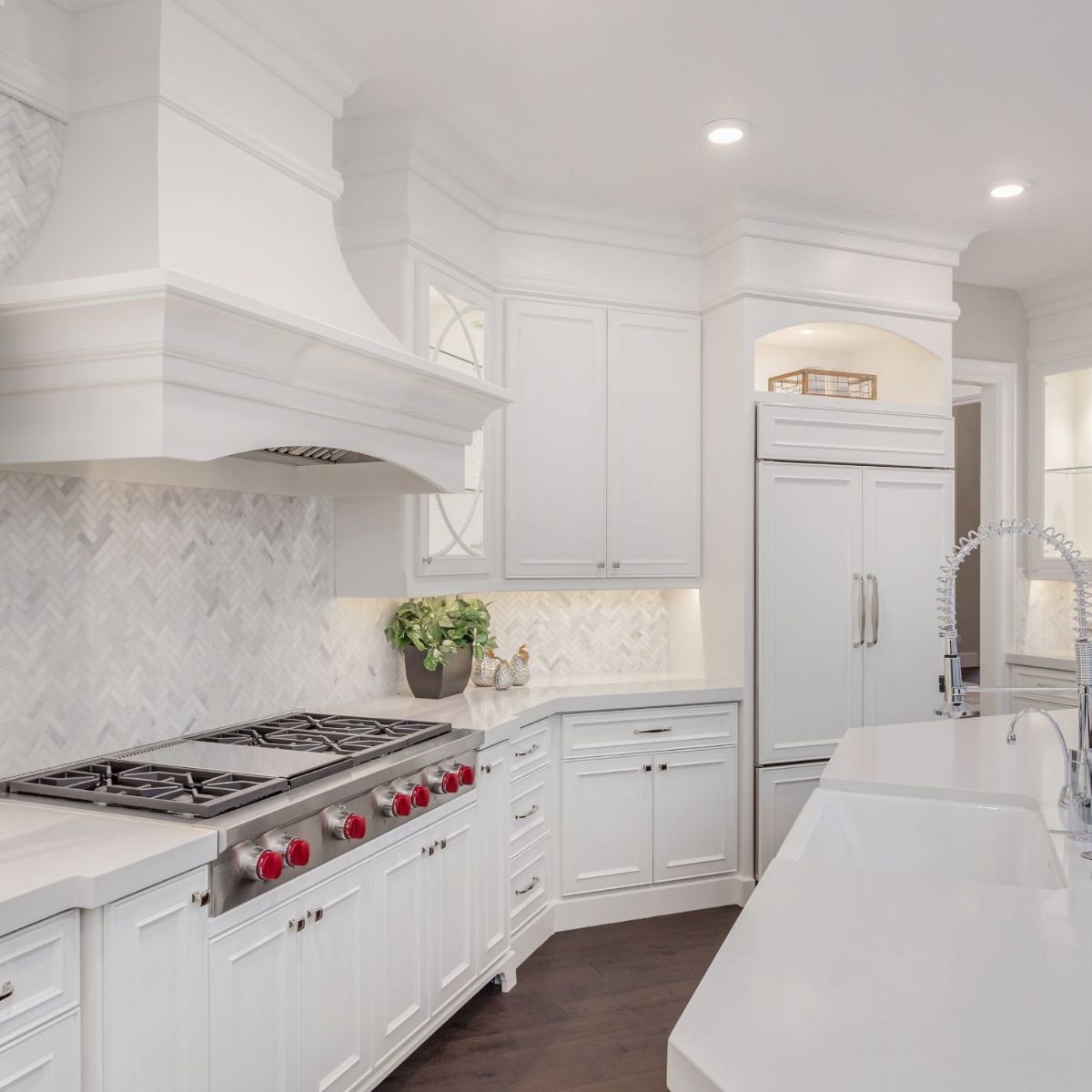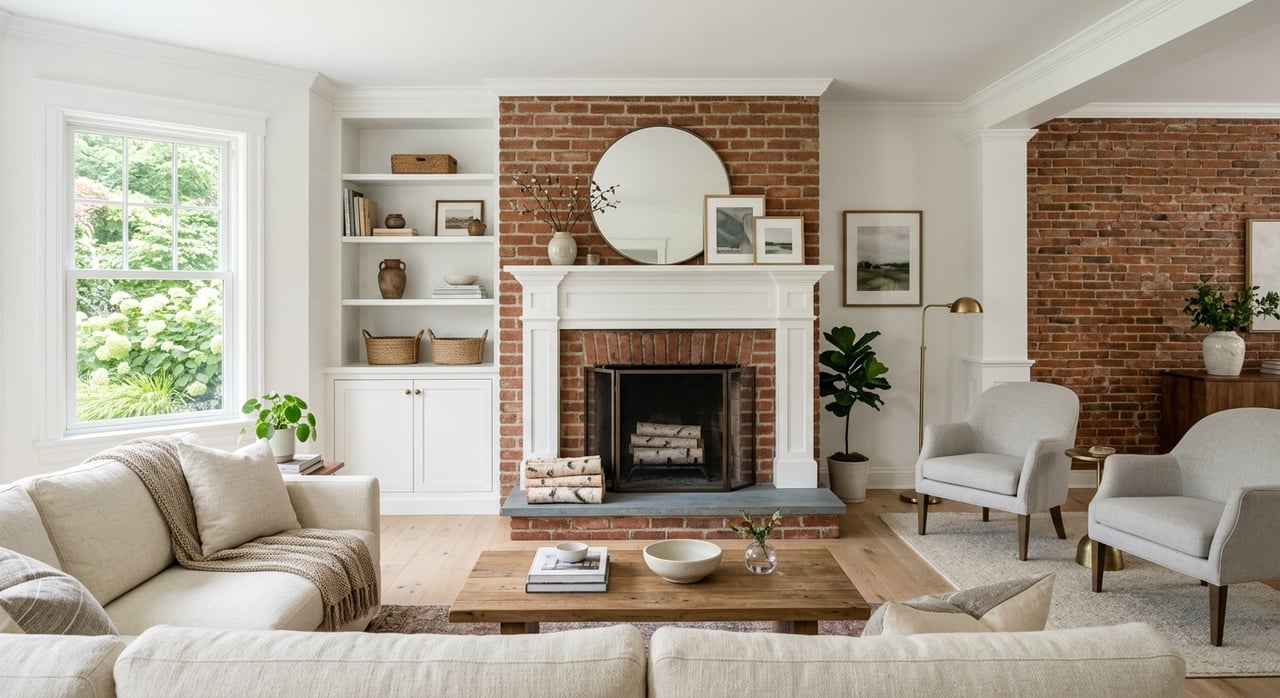
If you are deciding between a newer home and an older one in Richmond Heights, you are not just comparing square footage or finishes. You are choosing between two very different living experiences in a city known for established housing, thoughtful reinvestment, and carefully managed infill. The good news is that Richmond Heights offers real options, and the right choice comes down to how you want to live, maintain, and budget for your home. Let’s dive in.
Richmond Heights offers both character and change
Richmond Heights is an inner-ring St. Louis community where preservation and new housing both matter. City planning documents point to a clear goal: protect the quality and character of existing neighborhoods while allowing smaller-scale residential development and reinvestment.
That balance shapes what you will see on the ground. In some areas, you may find long-established homes that reflect the city’s older residential fabric. In others, you may come across infill opportunities that bring more contemporary layouts or different housing types into the market.
Older homes dominate much of the housing stock
One of the clearest facts about Richmond Heights is that it has a substantial older housing base. ACS-based housing data cited in the research shows that 42.6% of homes were built in 1939 or earlier, and another dashboard reports 2,196 pre-1940 units out of 4,641 total housing units.
While those sources use different rollups, they point to the same takeaway. Richmond Heights has a large prewar housing inventory, so if you are home shopping here, older homes will likely make up a meaningful share of what you consider.
The same data also shows that 2-bedroom and 3-bedroom homes are major categories in the local housing mix. That matters because older homes in Richmond Heights may not mirror the room counts, layouts, or open-plan designs that many buyers associate with newer construction.
What newer homes may offer in Richmond Heights
Newer homes in Richmond Heights are often tied to infill and smaller-scale development rather than large master-planned subdivisions. Regional planning research suggests the city could add up to 38 homes annually through smaller-lot and light-touch density options.
That means newer housing here may show up in several forms, including:
- Smaller-lot detached homes
- Townhomes
- Duplexes
- Triplexes
- Fourplexes
- Accessory dwelling units
For buyers, that variety matters. A newer option in Richmond Heights may not always look like a traditional detached house on a large lot. It may instead offer a different footprint, a more compact site plan, or a different bedroom count than older homes nearby.
Energy efficiency is a major advantage
If you are focused on operating costs and day-to-day comfort, energy performance is one of the strongest arguments for newer construction. The U.S. Department of Energy says insulation is more cost-effective to add during construction, and ENERGY STAR states that certified new homes are at least 10% more energy efficient than homes built to code.
In practical terms, that can mean a home that is designed from the start with more efficient components and systems. For many buyers, especially those comparing monthly ownership costs, that is one of the most meaningful differences between newer and older homes.
Newer homes still follow city design rules
New construction in Richmond Heights does not happen in a vacuum. The city’s zoning rules require substantial permeable, landscaped area in residential front and rear yards, and front-entry garages bring added landscaping requirements.
That tells you something important about the local market. Even newer or updated homes are expected to fit within a regulated neighborhood streetscape, which can help preserve a more cohesive residential feel.
What older homes may offer in Richmond Heights
Older homes often appeal to buyers who value an established block, mature surroundings, and a more traditional streetscape. Richmond Heights’ planning documents specifically emphasize protecting historic structures, preserving neighborhood character, and encouraging reinvestment in existing single-family housing.
For many buyers, that is the heart of the older-home case. You may be drawn to the setting as much as the house itself.
Established housing can feel different from infill
Because so much of Richmond Heights developed earlier, older homes often sit within a long-established residential pattern. That can mean a more traditional street presence and a style that feels rooted in the city’s history and neighborhood fabric.
It also means the home may function differently from a newer build. Layout, storage, room flow, and bedroom configuration can vary, so it is wise to compare how the house actually lives rather than assuming newer is always more practical or older is always more charming.
Maintenance is the biggest tradeoff
The biggest caution with older homes is usually upkeep. The Department of Energy notes that many older homes have less insulation than homes built today, which can affect comfort and efficiency.
Richmond Heights also has standards and review processes tied to building, occupancy, and exterior property maintenance. For buyers, that reinforces a simple point: an older home may offer character and setting, but it often requires more careful inspection and a more realistic first-year maintenance budget.
How to compare newer and older homes
If you are weighing both options, it helps to move past broad labels and compare the actual house in front of you. A well-maintained older home may fit your goals better than a newer one with compromises in layout or lot design. A newer infill home may offer the efficiency and lower-maintenance lifestyle you want.
Here are the main categories to compare.
Compare layout and room count
The research shows that Richmond Heights’ housing mix includes many 2-bedroom and 3-bedroom homes, and newer housing may arrive in formats like townhomes or smaller-lot detached homes. That makes layout a more useful comparison point than age alone.
Ask yourself:
- Does the bedroom count fit your current needs?
- Does the floor plan support how you live day to day?
- Do you want a detached house, or would a townhome-style option work well?
- Are you comfortable with a more compact footprint if the home is newer?
Compare maintenance and first-year costs
A newer home may reduce some near-term repair concerns, while an older home may need faster updates or closer monitoring. That does not make one better than the other, but it does affect your budget.
As you compare homes, think about:
- Likely maintenance in the first year
- Age and condition of major systems
- Insulation and energy performance
- Whether your budget has room for updates after closing
Compare long-term comfort and efficiency
Energy performance is one of the clearest practical differences between old and new. Newer homes often have an advantage because insulation and system design can be built in from the beginning.
With older homes, a professional home energy assessment can help you understand where the house may be losing energy and which improvements matter most. That step can make an older home easier to evaluate in real-world terms.
Compare the exact block, not just the zip code
Richmond Heights is well connected from a transportation and shopping standpoint. MoDOT maps show access through or along I-64/US 40 and I-170, along with major local roads such as Brentwood Boulevard, Big Bend Boulevard, Clayton Road, Hanley Road, and Galleria Parkway.
The Saint Louis Galleria and The Boulevard also add to the area’s convenience. Because access is a broad strength of Richmond Heights, your decision may come down less to general location and more to the exact block, the nearby traffic pattern, and how the property fits your routine.
A practical due diligence plan for buyers
Whether you are leaning toward a classic older home or a newer infill property, due diligence matters. The best decision is rarely “new versus old” in the abstract. It is whether a specific home fits your budget, maintenance comfort level, and goals.
A smart buyer checklist includes:
- Schedule an independent home inspection as early as possible
- Choose an inspector who is accountable to you as the buyer
- Review the condition of major systems carefully
- Consider a professional home energy assessment, especially for older homes
- Budget for likely first-year maintenance or efficiency improvements
- Evaluate how the home’s layout and site plan match your daily life
Which choice is right for you?
A newer home in Richmond Heights may be the better fit if you want stronger energy performance, more contemporary construction, and potentially lower near-term maintenance. An older home may be the better fit if you value established neighborhood fabric, a traditional streetscape, and the feel of Richmond Heights’ prewar housing base.
The right answer is personal, and it often becomes clear when you compare a few homes side by side with a disciplined eye. When you know what matters most to you, the decision gets much easier.
If you are weighing newer versus older homes in Richmond Heights, the best next step is to tour with a team that understands both the local housing stock and the tradeoffs behind the photos. The Andel-White & McDonald Group can help you buy smart with clear guidance, careful evaluation, and local market perspective.
FAQs
Should I buy a newer home or an older home in Richmond Heights?
- The better choice depends on your priorities. Newer homes may offer better energy efficiency and lower near-term maintenance, while older homes may offer more established neighborhood character and a traditional streetscape.
Are most homes in Richmond Heights older homes?
- Yes. Research cited for Richmond Heights shows a substantial share of the housing stock was built in 1939 or earlier, making older homes a major part of the local market.
What types of newer housing exist in Richmond Heights?
- Newer housing in Richmond Heights may include smaller-lot detached homes, townhomes, duplexes, triplexes, fourplexes, and accessory dwelling units tied to infill development.
Do older Richmond Heights homes usually cost more to maintain?
- They can. Older homes often have less insulation and may require a more detailed inspection and a larger first-year maintenance budget, depending on the property’s condition.
Is Richmond Heights convenient for commuting and shopping?
- Yes. Richmond Heights has access to I-64/US 40, I-170, and several major local roads, and it is close to shopping destinations like Saint Louis Galleria and The Boulevard.
What inspections should buyers get for a Richmond Heights home?
- Buyers should schedule an independent home inspection as early as possible. For older homes, a professional home energy assessment can also help identify efficiency issues and improvement priorities.