If you want a St. Louis home that feels polished, connected, and easy to enjoy day to day, the Central West End deserves a close look. For many luxury buyers, the real appeal is not just the residence itself. It is the combination of architecture, walkability, culture, and convenience that shapes how you live. This guide will help you understand what Central West End living actually feels like, what kinds of homes you can expect, and what to weigh before you buy. Let’s dive in.
Why Central West End Stands Out
The Central West End is one of St. Louis’s most established urban neighborhoods, with boundaries defined by Delmar Boulevard to the north, N Vandeventer Avenue to the east, I-64 to the south, and a west edge that bends through S. Kingshighway, Lindell, and Union. It grew alongside Forest Park and developed into a mixed-use district with a strong residential base and an active commercial core.
For you as a buyer, that means the neighborhood offers more than a luxury address. It offers a full lifestyle package. You get historic character, access to daily conveniences, and a setting that supports both busy workweeks and relaxed weekends.
What Daily Life Feels Like
Walkability Shapes the Experience
At the heart of the neighborhood is Euclid Avenue, widely recognized as the district’s main street. The area includes more than 75 shops, galleries, restaurants, bars, salons, hotels, and other businesses, which gives the Central West End its distinctly urban rhythm.
That rhythm matters if you want a home that supports an active lifestyle. Instead of planning every outing around a car, you can often combine errands, dining, coffee, and casual meetups into one walkable routine. At the same time, many residential blocks and full-service buildings offer a quieter retreat when you are ready to step back from the energy.
Events Keep the Neighborhood Active
The public realm is actively maintained through the district’s community improvement efforts, which fund landscaping, cleaning, and maintenance. The calendar also includes signature events such as Back in Bloom, Cocktail Party, Halloween in the CWE, Window Walk, the Summer Music Series, Gallery Night, and the Jazz & Blues Festival.
For buyers, this reinforces an important point. Central West End living is not limited to your building or your block. The neighborhood itself functions as part of the amenity set, with public spaces and events that add activity throughout the year.
Housing Options for Luxury Buyers
Historic Character Meets Modern Comfort
The Central West End Historic District describes the neighborhood as primarily residential, with an intermittent mix of commercial, industrial, and institutional uses. It also notes that, aside from large single-family homes on private streets and main boulevards, the residential stock is principally apartments and flats.
That is one reason the area appeals to urban luxury buyers. You are not shopping in a neighborhood defined by one housing type. Instead, you can explore a range of options that may include restored historic buildings, condo residences, and amenity-rich apartment-style homes.
Architecture Has Real Variety
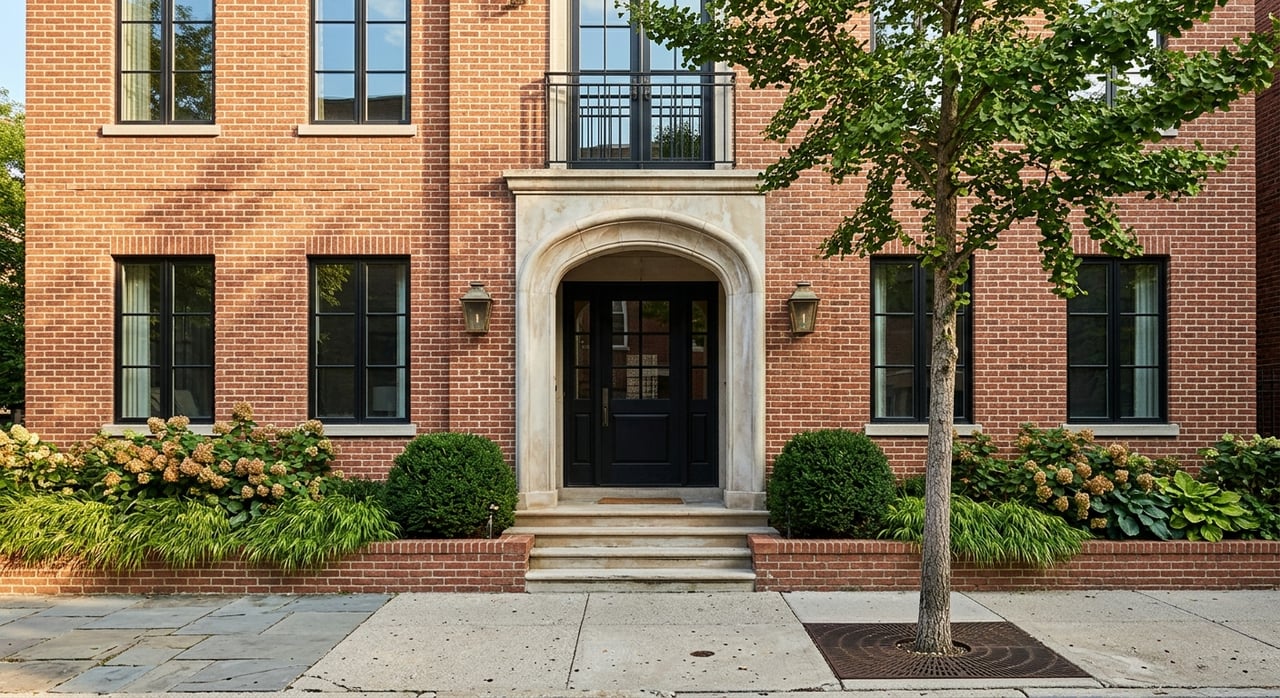
Architecturally, the neighborhood offers unusual range. Styles cited in local neighborhood materials include French Tudor, Colonial, Federal, Greek Revival, Mid-Century, and Postmodern, while the city also highlights fine turn-of-the-century homes, especially around Westminster Place.
If design matters to you, that variety gives the Central West End a distinct advantage. Some buyers are drawn to original detailing and historic facades, while others prefer a more updated lock-and-leave feel. Here, it is possible to find both within the same broader neighborhood.
Luxury Living Often Means Amenities
Current examples in the district show that luxury apartment-style living can include concierge service, garage or gated parking, balconies, fitness centers, and restored historic lobbies or clubrooms. Properties in the neighborhood directory include The Orion, York House, Citizen Park, and Residences at Forest Park.
For many buyers, this is the core tradeoff that makes sense. You may exchange yard space for services, security features, common amenities, and a more convenient daily routine. That can be especially appealing if you want low-maintenance ownership without giving up style or comfort.
Why Professionals and Relocators Choose CWE
Access to Major Work Hubs
The Central West End sits near major medical centers, including BJC, St. Louis Children’s Hospital, and Shriners Hospitals for Children in St. Louis. It is also close to Forest Park and the larger central corridor, which strengthens its appeal for professionals who want to stay near key employment and cultural destinations.
If your workday depends on efficient access, location is one of the neighborhood’s strongest selling points. You can stay close to major institutions while still living in a district that feels active and residential rather than purely corporate.
Transit Is a Real Lifestyle Asset
Transit is not just theoretical here. MetroLink spans 46 miles across 38 stations and operates seven days a week from before 5 a.m. to about 1 a.m. The Central West End station is part of the system, includes bus connections, and is Metro’s busiest station with more than 4,300 weekday boardings.
The nearby Cortex station adds another rail option for workers and visitors along the central corridor. If you want flexibility beyond driving, this can make a meaningful difference in how you commute and move around the city.
Parking Requires Some Planning
Parking is available throughout the neighborhood at meters and in public lots, but it is not unlimited. Local parking guidance notes that meter enforcement generally runs Monday through Saturday from 8 a.m. to 7 p.m.
That does not make the area hard to live in, but it does mean parking should be part of your buying checklist. If you are comparing buildings or units, it is smart to look closely at whether parking is attached, gated, garage-based, or off-site.
Amenities That Support Luxury Urban Living
Forest Park Is a Major Advantage
Forest Park is one of the area’s biggest lifestyle anchors. The City of St. Louis says the park spans about 1,370 acres and ranks among the largest urban parks in the United States. Its offerings include the St. Louis Art Museum, the Saint Louis Science Center, the St. Louis Zoo, the Missouri History Museum, The Muny, trails, lakes, golf, and skating.
For you, that means outdoor space and cultural access are not occasional perks. They can become part of your weekly routine. Whether you want a morning walk, a museum visit, or time on the trails, the park adds scale and flexibility to neighborhood living.
Culture Is Close at Hand
The amenity story goes beyond the park itself. The Saint Louis Art Museum offers free admission every day, and the World Chess Hall of Fame also offers free admission. Left Bank Books, the oldest and largest independently owned bookstore in St. Louis, hosts an author event series.
This is part of what gives the Central West End its layered appeal. You are not choosing between residential comfort and city energy. You are choosing a neighborhood where dining, culture, retail, and public space all sit within easy reach.
Dining and Retail Add Everyday Ease
Neighborhood materials consistently point to outdoor dining, boutiques, galleries, and specialty retail as defining features of the district. That mix helps the area feel like a compact urban neighborhood rather than a place where residential life and commercial life are separated.
For luxury buyers, convenience often matters just as much as square footage. Being able to step out for dinner, browse a local shop, or meet friends nearby can make daily life feel easier and more enjoyable.
What to Consider Before You Buy
Historic District Rules Matter
The Central West End Historic District was established in 1974, and exterior alterations or additions within the district are subject to prior review and permitting. If you are considering a condo, townhome, or historic property, that is an important practical detail.
Historic review does not need to be a drawback, but it does add process. If you are thinking ahead about changes to windows, exterior finishes, or additions, you will want to understand what approvals may be required.
Building Rules and Fees Vary
In newer or more service-oriented buildings, the main tradeoff is often straightforward. You may pay association fees or follow building rules in exchange for conveniences such as concierge support, modern common areas, and managed parking.
That is why comparison shopping in the Central West End should go beyond finishes and views. You will want to look at how the building actually functions, what services are included, and how well that setup matches your lifestyle.
Lifestyle Fit Is the Real Question
The Central West End tends to fit buyers who value urban convenience, lower-maintenance living, and immediate access to dining, green space, and the medical and innovation corridor. It can be a strong choice for professionals, relocators, downsizers, and buyers who are comfortable trading a larger yard for walkability and amenities.
In other words, this is less about finding one specific type of luxury property. It is about choosing a lifestyle bundle that combines architecture, convenience, culture, and connectivity.
If you are exploring the Central West End, the smartest next step is to match the neighborhood’s options to how you actually want to live. The right guidance can help you weigh building style, amenities, parking, and historic considerations so you can buy with confidence. When you are ready, Andel-White & McDonald Group is here to help you list well and buy smart.
FAQs
What is the Central West End in St. Louis known for?
- The Central West End is known for its historic architecture, walkable commercial core, access to Forest Park, active dining and retail scene, and close proximity to major medical and cultural institutions.
What types of homes can you buy in the Central West End?
- Housing options include historic residences, apartments, flats, condos, and luxury apartment-style homes with amenities such as concierge service, fitness centers, balconies, and garage or gated parking.
Is the Central West End a good fit for luxury buyers who want walkability?
- Yes. The neighborhood’s mix of shops, restaurants, galleries, services, and cultural destinations makes it a strong fit for buyers who want a more walkable, urban lifestyle.
What should Central West End buyers know about historic district rules?
- In the historic district, exterior alterations and additions are subject to prior review and permitting, so buyers should factor preservation standards into any future renovation plans.
How does transportation work in the Central West End?
- The neighborhood is accessible by I-64/40, includes MetroLink service through the Central West End station, and also benefits from the nearby Cortex station, giving residents both driving and transit options.
Why do professionals and relocators consider the Central West End?
- Many are drawn to the neighborhood because it offers convenient access to major medical centers, the central corridor, transit, Forest Park, and a strong mix of dining and cultural amenities.